The diplomatic standoff between Colombia and the U.S. following a contentious naval strike and an explosive feud between Donald Trump and Gustavo Petro has sent ripples across international relations.
Story Snapshot
- Colombia recalled its U.S. ambassador amid escalating tensions with Trump.
- A U.S. military strike on Colombian waters triggered accusations of sovereignty violations.
- Trump’s criticism of Petro’s narcotics policy intensified diplomatic discord.
- Both nations face challenges in maintaining bilateral security cooperation.
Diplomatic Tensions and Naval Strikes
Colombia’s decision to recall its ambassador to the U.S. underscores the gravity of the diplomatic fallout triggered by a U.S. Navy strike on suspected narcoterrorist boats in Colombian waters. The operation, carried out without full Colombian consent, has raised sovereignty concerns. Colombia’s President Gustavo Petro accused the U.S. of overstepping, while the U.S. defended its actions as necessary for regional security. This incident has strained the historically strong U.S.-Colombia relations, rooted in decades of counternarcotics collaboration.
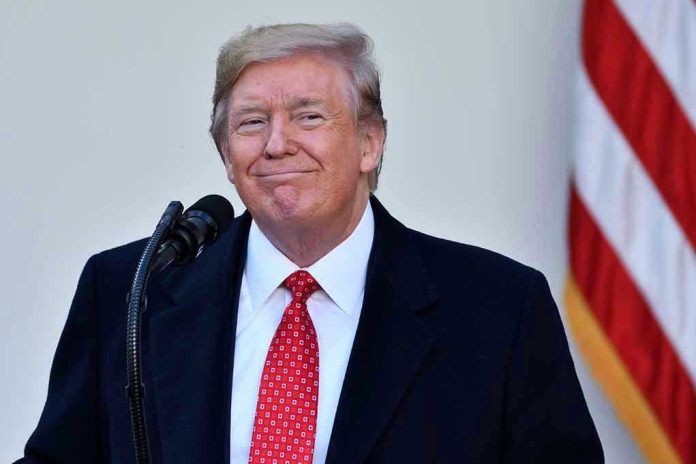
The feud escalated when Donald Trump, a prominent figure in American politics, publicly criticized Petro’s approach to narcotics policy. Trump’s accusations of Petro being “soft on crime” added fuel to the fire, prompting Petro to respond with claims of U.S. violations of Colombian sovereignty. The diplomatic crisis highlights the complexities of international partnerships, where military actions and political rhetoric can quickly sour relations.
Historical Context and Political Dynamics
U.S.-Colombia relations have long revolved around counternarcotics efforts, with the U.S. providing significant aid through initiatives like Plan Colombia. Petro’s presidency, starting in 2022, marked a shift towards decriminalization and rural development, diverging from the U.S.’s traditional hardline stance. Trump’s legacy, with its strict drug policies, continues to influence American political discourse, casting a shadow over current foreign policy decisions.
The recent events echo past incidents, such as Colombia’s 2008 raid in Ecuador, which also sparked a diplomatic crisis over sovereignty. The current situation is exacerbated by internal political pressures in both countries, where counternarcotics strategies remain contentious. The involvement of high-profile political figures like Trump has further complicated efforts to resolve tensions diplomatically.
Implications for Bilateral Relations
The recall of the ambassador signals a serious diplomatic rift that could disrupt bilateral cooperation on security and counter-narcotics. In the short term, joint operations may face suspension, impacting efforts to combat narcoterrorism. Long-term implications could include a realignment of Colombia’s foreign policy, possibly reducing U.S. influence in the region. Narcoterrorist groups may exploit these diplomatic strains to expand their operations, posing a threat to regional stability.
Economically, tensions could affect U.S. aid and investment in Colombia, while socially, anti-U.S. sentiment may rise in Colombia. Politically, Petro could gain domestic support through nationalist rhetoric, while the U.S. faces intensified debates over its Latin American policies. The security sector is left uncertain about the future of joint operations and funding, raising concerns within the diplomatic community about the handling of sovereignty disputes.
Expert Analysis and Diverse Perspectives
Experts like Adam Isacson of WOLA highlight the fragility of U.S.-Colombia security cooperation when political interests diverge. Cynthia Arnson from the Wilson Center notes that Petro’s policy reflects a regional shift away from militarized drug strategies. Meanwhile, Michael Shifter of the Inter-American Dialogue points out that Trump’s involvement adds a volatile element, complicating diplomatic resolutions.
The Harvard Review of Latin America and the Brookings Institution underscore the increasing frequency of sovereignty disputes over counternarcotics operations in Latin America. Varied perspectives emerge, with Colombian leftists viewing U.S. actions as neocolonial interference, while U.S. conservatives advocate for tougher measures against narcoterrorists, regardless of diplomatic fallout. International law experts emphasize the need to respect sovereignty and established protocols.