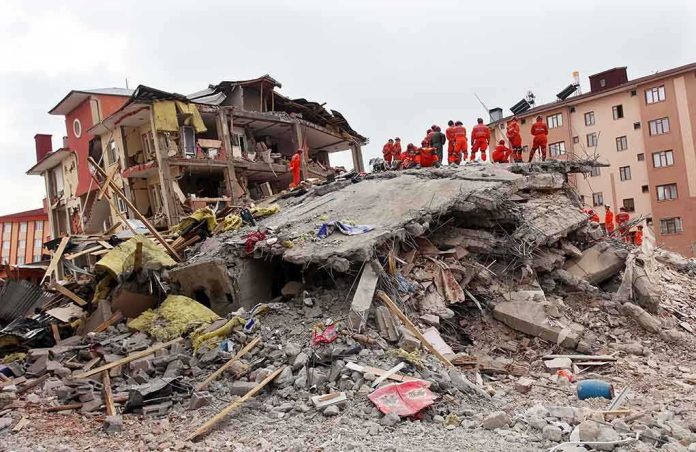
Deadly landslides and flash floods in Indonesia expose the catastrophic consequences of decades of environmental mismanagement and government failures, leaving at least 19 dead and communities devastated by preventable disasters.
Story Highlights
- Death toll rises to 19 with multiple people still missing in North Sumatra landslides and floods
- Thousands displaced as torrential monsoon rains trigger widespread destruction across mountainous regions
- Rescue operations hampered by damaged infrastructure and continued dangerous weather conditions
- Deforestation and poor land management identified as key factors worsening natural disaster impacts
Monsoon Rains Trigger Deadly North Sumatra Disasters
Torrential monsoon rains beginning November 24, 2025, unleashed devastating landslides and flash floods across North Sumatra, Indonesia. The disasters struck the Tapanuli and Sibolga regions with deadly force, initially claiming at least 10 lives and leaving 6 people missing. Indonesian National Search and Rescue Agency (BASARNAS) launched immediate search operations, but rescue efforts face significant challenges from ongoing severe weather and damaged transportation networks.
Casualty Count Climbs as Rescue Operations Continue
The death toll escalated to at least 19 by November 26, 2025, as rescue teams recovered additional bodies from landslide debris and flood zones. Emergency shelters accommodate thousands of displaced residents who fled their homes as authorities issued urgent evacuation orders. Police and rescue officials warn residents in high-risk mountainous areas to evacuate immediately due to unstable terrain and continued rainfall threats. Communication disruptions and damaged roads severely limit rescue team access to remote affected communities.
Environmental Mismanagement Compounds Natural Disaster Impact
Disaster management experts identify deforestation and irresponsible land management practices as critical factors amplifying the catastrophe’s severity. Years of removing natural forest barriers weakened soil stability and eliminated natural water absorption systems that previously mitigated flood damage. The mountainous terrain combined with weeks of saturated soil created ideal conditions for massive landslides. Meteorologists note climate change contributes to increasing rainfall intensity, but human environmental destruction significantly worsens disaster outcomes for vulnerable communities.
Government Response Highlights Infrastructure Deficiencies
The Indonesian Disaster Mitigation Agency coordinates relief efforts while establishing emergency centers for evacuees seeking shelter and medical aid. Local government officials struggle with resource allocation and infrastructure repair in regions already challenged by limited development and poor disaster preparedness systems. The crisis exposes systemic vulnerabilities in Indonesia’s disaster response capabilities, particularly regarding early warning systems and community education programs. Authorities prioritize immediate search operations for missing persons while simultaneously addressing urgent needs of thousands requiring food, shelter, and medical assistance.
Sources:
Landslides and flash floods in North Sumatra kill at least 10, leave six missing
At least 10 killed and six missing as flash floods, landslides hit Indonesian island of Sumatra