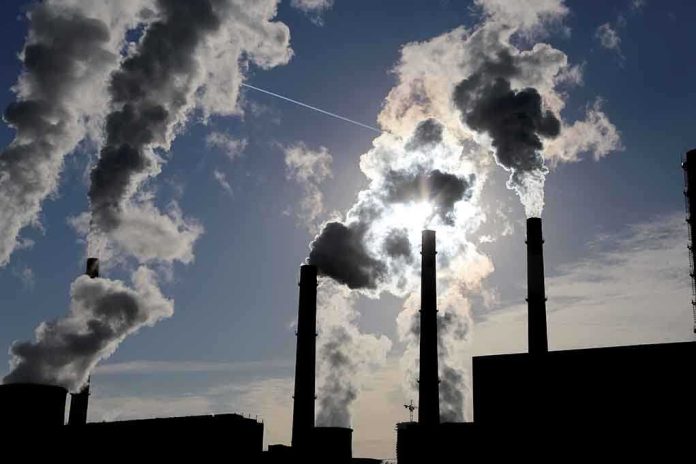
Elon Musk’s supercomputer facility in Memphis has sparked fears over air pollution, threatening the health of local residents and challenging regulatory frameworks.
Story Highlights
- xAI’s Colossus facility has rapidly become a major polluter in South Memphis, raising health alarms.
- Environmental groups have documented significant air quality degradation linked to the facility’s operations.
- Residents report increased respiratory issues, while regulators struggle to balance economic and public health interests.
- The controversy highlights broader issues of environmental justice and regulatory shortcomings in vulnerable communities.
Community Health Concerns Rise
Elon Musk’s xAI supercomputer facility, known as Colossus, became operational in South Memphis in September 2024, quickly raising health alarms. The facility, operating over 100,000 computer chips, relies on dozens of methane gas turbines, leading to significant nitrogen dioxide emissions. Residents in this historically Black community, already burdened by pollution, report heightened respiratory health issues. Environmental researchers have documented alarming spikes in air pollutants, attributing these to the facility’s operations.
The approval of permits for 15 permanent turbines by the Shelby County Health Department has not quelled community fears. Despite promises of state-of-the-art emissions controls, health professionals and environmental groups contest their effectiveness. Dr. Austin Dalgo, a local physician, highlighted the “alarming” rise in pollution levels, warning of increased health risks. Community activists describe the facility as another example of Memphis using South Memphis as a “sacrifice zone” for industrial development.
Regulatory Challenges and Oversight
The facility’s environmental impact has exposed regulatory gaps, with turbines initially operating without Clean Air Act permits or pollution controls. Environmental organizations argue that xAI’s operations violate these standards, pressing for stricter oversight. The Shelby County Health Department, tasked with balancing economic and public health interests, approved xAI’s permit with conditions, yet this decision remains contentious. Critics argue that economic benefits do not justify the health risks posed to vulnerable populations.
Mayor Paul Young defended the facility’s operations, asserting that only 15 turbines were active, with others as backup. However, community opposition continues, with protests and public hearings highlighting the community’s frustration. The debate over xAI’s facility underscores the challenges faced by regulatory bodies in ensuring environmental justice and public health protection.
Future Implications and Industry Trends
The xAI facility in Memphis is emblematic of broader industry trends, as AI companies require vast power resources, often leading to independent power generation with limited oversight. The rapid expansion of AI infrastructure poses significant regulatory challenges, threatening to outpace existing frameworks designed to protect public health. The situation in South Memphis may set a precedent for future industrial projects in vulnerable communities, emphasizing the need for stronger environmental regulations and protections.
The ongoing controversy serves as a stark reminder of the environmental justice issues facing communities nationwide, as economic development often comes at the cost of public health and environmental integrity.
Sources:
TIME Magazine: Elon Musk’s Memphis AI Data Center
Politico: Elon Musk’s xAI Memphis Gas Turbines
Southern Environmental Law Center: Resistance Against Musk’s Facility
Moms Clean Air Force: xAI in Memphis