Imagine reaching for a magazine at 35,000 feet and instead grasping a used hypodermic needle—one moment that could change everything about how you view airline safety.
Story Snapshot
- A Virginia veteran sues EgyptAir for $5 million after being pricked by a needle hidden in a seatback pocket.
- The incident triggered months of medical treatment and emotional distress over potential exposure to serious diseases.
- The lawsuit highlights airline liability and the psychological fallout from hazardous cabin conditions.
- Legal precedents and international law could reshape passenger compensation and safety protocols worldwide.
The Incident That Sparked a Legal Storm
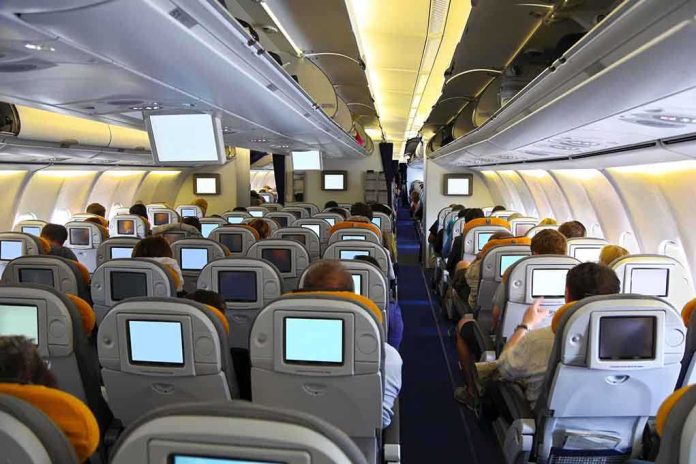
John Doe, a seasoned military veteran, boarded EgyptAir flight MS981 from Cairo to Washington, D.C. on October 16, 2024. Settling in for his 12-hour journey, he reached into the seatback pocket expecting reading material but was instead punctured by a hypodermic needle. The shock of the prick was immediate, but the true aftermath unfolded over months: Doe endured a barrage of medical treatments and the gnawing fear of contracting HIV, hepatitis, or other bloodborne illnesses. The airline failed to offer information that could have spared him the emotional and physical gauntlet, leading to a lawsuit claiming $5 million in damages for both bodily harm and emotional distress.
Cabin safety lapses like this one are not isolated incidents. Airlines have long been tasked with cleaning cabins between flights, but the system is far from foolproof. Forgotten objects—especially hazardous ones—can turn a routine journey into a nightmare. The seatback pocket, a convenient storage space for travelers, has become a notorious hiding spot for everything from trash to dangerous medical waste. Doe’s ordeal is the latest in a string of similar cases, including a Michigan woman who sued Etihad Airways after a needle prick, underscoring systemic gaps in airline protocols.
The Legal Battleground: Liability and Passenger Rights
EgyptAir now faces federal court in Alexandria, Virginia, where the lawsuit draws on the Montreal Convention. This international treaty sets the ground rules for airline liability in cases of passenger injury, including both physical and—if linked—emotional harm. Doe’s attorney, Abram Bohrer, slammed EgyptAir for “dehumanizing” its customers by failing to respond to urgent inquiries and neglecting basic passenger safety. The airline, for its part, has remained silent, declining to comment publicly and leaving many to wonder how it will defend against a claim that could set legal precedent for similar cases worldwide.
The question of emotional distress is a thorny one for courts. While the Montreal Convention typically covers physical injuries, several rulings have expanded compensation when psychological trauma is directly caused by those injuries. Legal experts argue that the potential ripple effects of this case could force airlines to rethink their cleaning protocols and passenger support systems, especially when hazardous materials are involved. As the lawsuit unfolds, it will test the limits of international law and the real-world responsibilities airlines owe their passengers.
The Broader Fallout: Cleaning Protocols and Industry Change
John Doe’s ordeal triggered not only personal hardship but also a wave of scrutiny across the airline industry. Short-term, his lawsuit brings EgyptAir’s cleaning standards and crisis response into the spotlight, threatening reputational and financial damage. Long-term, the case could drive regulatory changes and tighter enforcement of cabin maintenance worldwide. Airlines may be compelled to introduce more rigorous inspections and transparent safety measures, especially in high-touch areas like seatback pockets.
For passengers, the takeaway is clear: what lurks unseen in a cabin can have far-reaching consequences. Doe’s struggle for justice and compensation resonates with anyone who’s ever wondered about their own vulnerability during air travel. The legal outcome may not only determine the fate of one man’s claim but also redefine what airlines must do to protect their customers. Industry insiders, legal scholars, and everyday travelers will be watching closely as the court weighs the balance between corporate accountability and passenger safety.
Sources:
The Independent: Traveler ‘pricked by used needle on plane’ sues airline for $5M
Hamilton Law Partners: Airline Passenger Can Seek Emotional Distress Damages for Needle Prick
CBS News: Woman sues after being stuck with needle hidden in airplane’s seatback pouch
The Independent: EgyptAir lawsuit – needle plane seat Virginia veteran