Federal agents patrolling retail parking lots in Chicago suburbs have sparked a contentious debate over racial profiling and immigration enforcement tactics.
Story Overview
- Federal agents patrol parking lots in Chicago suburbs, questioning shoppers, often Latinos.
- Videos show agents interrogating citizens without probable cause, leading to racial profiling claims.
- Operations stem from Trump administration’s intensified immigration enforcement policies.
- Incidents have sparked national debate and legal challenges regarding constitutional rights.
Agents in Parking Lots: What’s Happening?
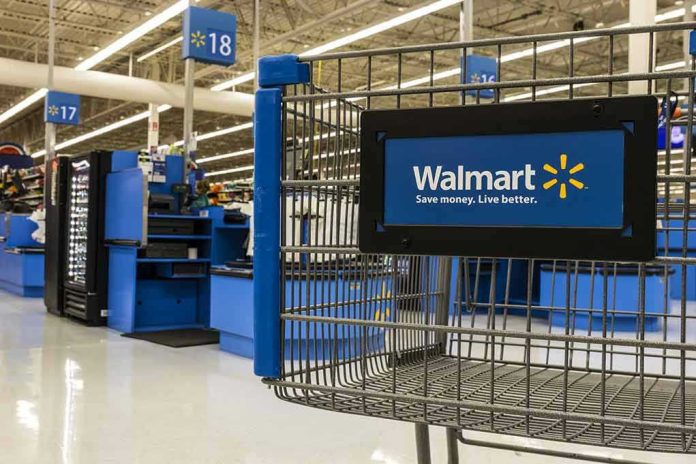
In recent months, videos captured by photographer Michael Kelly have showcased federal agents patrolling the parking lots of retail giants like Walmart and Sam’s Club in the Chicago suburbs of Melrose Park and Cicero. These agents, often associated with the U.S. Border Patrol, question shoppers—predominantly Latinos—about their citizenship status. The lack of probable cause has led to accusations of racial profiling, with one notable incident involving a U.S. citizen woman being questioned outside a laundromat near a Walmart. This pattern of questioning has been described as random and opportunistic, targeting individuals in routine settings.
These patrols are rooted in the intensified immigration enforcement policies initiated under the Trump administration. Starting in January 2025, the administration emphasized mass deportations and expanded the scope of ICE and CBP operations. These agencies have adopted “street arrests,” which do not require individuals to have criminal records, prioritizing individuals based on appearance and location. The tactics employed have sparked a wave of criticism and legal challenges, with accusations of Fourth Amendment violations.
The Impact on Communities
The implications of these operations are profound, particularly on immigrant communities. Short-term effects include heightened fear among individuals, deterring them from engaging in everyday activities like shopping or working. This atmosphere of fear may also lead to increased instances of self-deportation. In the long-term, these practices erode trust in law enforcement agencies and contribute to societal divisions. The economic impact is also significant, with reduced consumer activity at retail locations and disruptions in industries reliant on immigrant labor.
These practices have predominantly affected Latino communities, with 90% of street arrests involving Latinos. Notably, some U.S. citizens have been misidentified and detained, further fueling the controversy. The political ramifications are equally significant, as the actions of federal agents have ignited bipartisan criticism and intensified the debate over immigration policies and the rights of sanctuary cities.
Legal and Policy Debates
The legal landscape surrounding these operations is complex. Some officials, like Border Czar Tom Homan, defend the warrantless approaches, citing the necessity of identifying immigration violators based on physical appearance. However, critics argue that these practices violate constitutional rights, specifically the Fourth Amendment, which requires specific articulable facts for detentions. The Supreme Court’s decision to lift a lower court block on race-based stops, despite dissenting opinions, highlights the ongoing legal battles.
The broader implications for retail and agriculture sectors are also notable. Retail spaces, particularly parking lots, have become zones of enforcement, impacting consumer behavior and retail chains. The agriculture sector, already vulnerable to labor shortages, faces additional challenges due to these intensified raids.