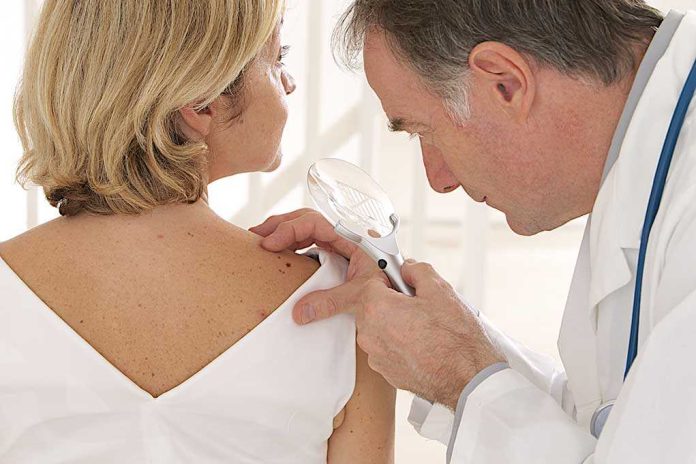
Regular skin checks aren’t just for the overly cautious—they’re the quickest ticket to dodging a deadly diagnosis that could otherwise sneak up while you’re binge-watching reruns and ignoring that weird speck on your arm.
At a Glance
- Skin cancer rates are climbing, with melanoma cases projected to hit record highs in 2025.
- Early detection through regular skin checks can boost survival rates from 35% to over 99%.
- New AI-powered tools and teledermatology are changing how quickly and easily skin cancer is caught.
- Everyone—regardless of skin tone or family history—needs to know the ABCDEs of melanoma and check their skin regularly.
Regular Skin Checks: The Unsung Lifesaver
Picture this: you’re at the beach, slathered in sunscreen (hopefully), but the real lifesaver might be standing in front of your bathroom mirror once a month. Skin cancer is the most common cancer in the U.S., but here’s the kicker—most of those cases could be stopped in their flip-flops with a simple skin check. In 2025, over 212,000 Americans will hear the word “melanoma” from their doctor, and many more will face nonmelanoma skin cancers. The difference between a quick outpatient procedure and a far more grim prognosis? Often, it’s spotting a suspicious mole before it starts making plans to travel your bloodstream.
The five-year survival rate for melanoma caught early is a jaw-dropping 99%. Miss it until it spreads, and that number plummets to a sobering 35%. This isn’t scare-mongering; it’s a wake-up call, especially for men, who make up nearly 60% of new cases and an even higher percentage of deaths. It’s not just the fair-skinned and freckled at risk—people of color, often overlooked in awareness campaigns, can also develop deadly skin cancers, frequently diagnosed too late.
Why Skin Cancer Keeps Rising—and Why That Matters
The numbers aren’t just alarming; they’re climbing faster than your neighbor’s new electric SUV. Over the last decade, new invasive melanoma cases in the U.S. have soared by 42%. In 2025 alone, experts expect a 5.9% jump in cases and a 1.7% rise in deaths. Public health campaigns have flooded social media and your doctor’s waiting room with reminders, but the message still isn’t sticking for everyone. Historical myths—like the idea that darker skin makes you immune—linger, leading to dangerous delays in diagnosis among people of color. Meanwhile, advances in diagnostic tech, like dermatoscopes and AI-powered mole checkers, are swinging the odds back in favor of early detection, but only if you actually look.
Doctors, dermatologists, and organizations like the American Cancer Society and Skin Cancer Foundation are practically shouting from the rooftops: don’t wait for a mole to start itching, bleeding, or growing a beard. If you’ve ever sunburned, have lots of moles, or have a family history of skin cancer, your risk is higher than average. Even if you’re not high-risk, routine checks just make sense—because skin cancer doesn’t discriminate, and neither should your bathroom mirror.
Game Changers: AI, Telemedicine, and the ABCDE Rule
Not everyone has time for a yearly pilgrimage to the dermatologist, but technology is removing excuses faster than you can say “teledermatology.” AI-assisted mole assessment tools are rolling out in clinics and even on your smartphone, offering second opinions that don’t yawn or rush you out the door. During Skin Cancer Awareness Month in May 2025, clinics everywhere pushed online risk assessment tools, making it easier than ever to get a professional’s eyes on your suspicious spots—without leaving your couch.
The ABCDE rule (Asymmetry, Border, Color, Diameter, Evolving) isn’t just an acronym to impress your trivia group; it’s the difference between catching a killer early or letting it run wild. Dermatologists urge everyone—yes, even you, sun-haters and indoor cats—to learn these signs and do monthly self-exams. If you spot something off, don’t wait. Call your doctor. If you don’t have a doctor, find one. Your skin is the only suit you can’t take to the cleaners.
The Ripple Effect: Why Your Skin Is Everyone’s Business
Regular skin checks aren’t just about personal survival, though that should be incentive enough. Early detection means less invasive treatments, lower healthcare costs, and reduced strain on medical systems already juggling too much. For high-risk groups—older adults, fair-skinned folks, and outdoor enthusiasts—the numbers are even starker, but underserved populations, like rural residents and people of color, face unique challenges in access and awareness.
Public health campaigns, insurance coverage, and new tech are moving the needle, but it’s up to you to keep the momentum going. A monthly scan could save your life, a loved one’s life, or at the very least, your Tuesday afternoon. So, next time you’re brushing your teeth, take a good look at that freckle. It might just be the most important thing you do all month.
Sources:
Skin Cancer Foundation, 2025-07-15