A BBC Scotland news anchor endured nearly four years of escalating terror from a 71-year-old man who believed she was broadcasting romantic messages to him through her television appearances.
Story Snapshot
- Anne McAlpine received up to four obsessive letters weekly from Robert Green, who thought her on-screen gestures were subliminal messages meant for him
- The stalking escalated from workplace deliveries to nighttime home intrusions, including attempts to access her residence and approaching her car
- Green received a two-year supervision order and lifetime restraining order after his conviction for stalking causing fear and alarm
- McAlpine spoke publicly for the first time about the ordeal on Good Morning Britain, revealing she questioned whether to continue her broadcasting career
When Fan Mail Becomes a Warning Sign
The letters started arriving at BBC Scotland headquarters in Glasgow in February 2021. Cards, poems, CDs, and declarations of love piled up at the reception desk, sometimes three or four per week. Anne McAlpine initially dismissed them as odd fan mail, the kind of attention public figures occasionally receive. Green’s correspondence revealed a troubling delusion: he believed McAlpine was communicating directly with him through television, sending coded messages through her movements and appearance on screen. He commented on what she wore, how she styled her hair, interpreting every broadcast detail as personal communication.
The Engagement Ring That Changed Everything
McAlpine’s public engagement announcement triggered a shift in Green’s behavior. The letters revealed his shock at seeing her engagement ring on air. He had constructed an entire relationship in his mind, one where they were romantically involved. The revelation that she was marrying someone else shattered his fantasy temporarily, and the correspondence briefly stopped. But the reprieve proved short-lived. Green’s obsession hadn’t ended; it had merely entered a more dangerous phase that would move from workplace mail delivery to physical proximity at her home.
Terror Outside Her Front Door
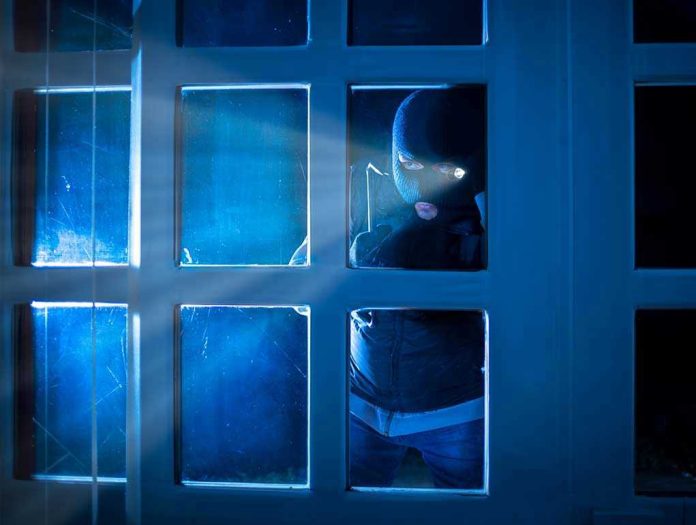
The first home encounter occurred after a late shift in early 2022. McAlpine was dropped off at her residence when Green appeared, approaching her car and holding eye contact through the window. She locked the doors and drove away, immediately calling her husband for safety. The incidents intensified over subsequent months. Green would appear at night, standing in the road staring at her windows, buzzing her flat’s intercom attempting entry, sitting on her building’s steps waiting. Neighbors became involved as the intrusions continued, transforming her home from sanctuary to surveillance site.
The Professional Cost of Public Visibility
McAlpine revealed during her Good Morning Britain interview that the stalking forced her to question her career choice. She wondered aloud whether being on television was worth the vulnerability it created. The parasocial relationship Green invented represents a documented pattern in broadcast journalism. Fox News anchor Harris Faulkner and Newsmax anchor Greta Van Susteren have faced similar stalking situations, demonstrating that the phenomenon crosses networks and national borders. The one-sided bond viewers form with on-screen personalities can, in troubled minds, transform into dangerous obsession requiring legal intervention.
Justice Delayed But Delivered
Police connected the workplace letters to the home intrusions, building a stalking case that culminated in Green’s conviction in February 2026. Despite being found guilty of stalking causing fear and alarm between February 2021 and November 2024, Green denied the charges. The court imposed a two-year supervision order and a lifetime restraining order prohibiting any contact with or approach to McAlpine. The sentence acknowledges both the psychological damage inflicted and the ongoing risk Green poses. McAlpine’s decision to speak publicly serves dual purposes: personal closure and warning others about dismissing early signs.
The case exposes uncomfortable truths about media work in the digital age. Broadcasting inherently creates intimacy with audiences, people who invite anchors into their living rooms nightly. Most viewers maintain healthy boundaries, but a small fraction cannot distinguish between professional performance and personal invitation. McAlpine’s experience suggests broadcasters and their employers need enhanced protocols for handling concerning fan mail and securing journalists’ personal information. The traditional openness media figures maintained with audiences now requires recalibration against stalking risks that can escalate from nuisance to nightmare. McAlpine continues her BBC Scotland work, refusing to let Green’s delusion derail her career, but the years-long ordeal left permanent marks on her sense of safety and professional peace.
Sources: