
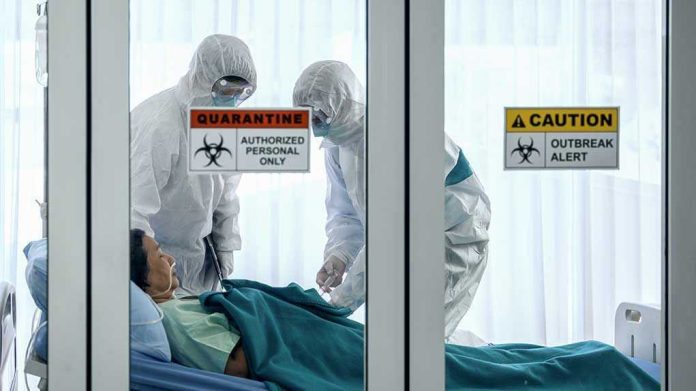
When a northern Arizona resident dies of the plague in 2025 and government officials tell you, “Don’t worry, it’s rare,” you have to wonder just how much faith we should place in a system that seems more interested in controlling the narrative than protecting the public.
At a Glance
- Pneumonic plague claims life in rural Coconino County, Arizona for the first time since 2007
- Authorities insist risk to public is “low,” but provide precious few details
- Decades-old disease persists in U.S. wildlife even in the age of billion-dollar health budgets
- Incident spotlights glaring gaps in public health priorities and rural preparedness
A Deadly Blast from the Past in Modern Arizona
Health officials in Coconino County, Arizona, confirmed on July 11, 2025, that a resident died from pneumonic plague—a form of the disease infamous for its rapid progression and historical devastation. The victim, whose name and specifics remain cloaked in government-mandated privacy, contracted the disease in the rural wilds near Flagstaff, an area where interaction with rodents and their fleas is far from unusual. The last time this happened in the region? 2007. That’s right: decades of government spending, and we still have 14th-century diseases lurking in our own backyard.
Pneumonic plague is the most severe form of the disease—easily transmissible and fatal if left untreated. Yet, officials are quick to assure the public there’s “no cause for alarm,” as if that’s supposed to be comforting. The Centers for Disease Control and Prevention (CDC) and county health departments sprang into action, issuing public advisories and promising “increased surveillance.” Meanwhile, local politicians offered condolences and little else, declining to release any information that might actually help citizens protect themselves. Apparently, “transparency” is only for press releases, not real life.
Government Reassurances vs. Public Reality
The CDC and Coconino County Health and Human Services (CCHHS) have insisted that the risk to the general public is low. No evidence of human-to-human transmission has been reported, and the case does not appear linked to recent die-offs among prairie dogs. Great, except that’s exactly what they said last time—right before they admitted another plague death had occurred. Local officials, led by Board of Supervisors Chair Patrice Horstman, expressed sympathy for the family but refused to offer any additional details about how the resident contracted the disease or whether community members might be at risk. The message? “Trust us. We’ve got this.” Forgive the rural citizens of Arizona if they aren’t feeling especially reassured.
For all the money poured into public health bureaucracies and post-pandemic “preparedness,” rural America still faces the same risks it did a century ago. The “robust infrastructure” we’re told exists to keep us safe seems to evaporate the moment something truly dangerous emerges outside a metropolitan area. And while experts assure us that antibiotics can treat plague if caught early, that’s cold comfort to a family who lost a loved one in 2025 to a disease most Americans assume was left behind with knights and castles.
Public Health Priorities in Question
Every year, agencies like the CDC receive billions to track, manage, and supposedly eradicate public health threats. But when an actual threat emerges—one that’s rare, deadly, and completely preventable with proper monitoring—the response is less “all hands on deck” and more “keep calm and issue a press statement.” The official advice is to avoid wild rodents and sick animals, as if every family in rural Arizona is just itching to cuddle a plague-ridden prairie dog. What about boots-on-the-ground education, targeted intervention, or even warning signs in high-risk areas? Instead, the bureaucracy seems more concerned with managing liability than saving lives.
Officials have ramped up “increased surveillance and monitoring,” which, in practice, often means another round of taxpayer-funded studies and a flurry of pamphlets. There’s talk of “ongoing vigilance” and “public education,” but little evidence of meaningful action—especially for those living in the semi-rural zones where these risks are greatest. The incident lays bare a simple, infuriating truth: all the money in the world can’t compensate for the absence of common sense and real-world readiness.
A Stark Reminder and a Call for Real Accountability
The death of a Coconino County resident from pneumonic plague is more than an isolated tragedy; it’s a case study in the failings of modern public health priorities. While experts line up to reassure us that the risk of a widespread outbreak is “low,” the reality is that vigilance, education, and a backbone of accountability are sorely lacking. Rural Americans deserve more than condolences and platitudes. They deserve real answers, real protection, and real action against threats that are all too real—no matter how rare or inconvenient it is for the government’s narrative.
For every dollar spent on bureaucratic bloat and political posturing, another dollar is denied to the front-line efforts that matter most. The next time you hear about a “robust public health infrastructure,” remember the family in Arizona who lost a loved one to the plague in 2025. Maybe it’s time our leaders stop congratulating themselves and start delivering results worthy of the American people’s trust and tax dollars.
Sources:
CBS News – Plague kills Arizona resident, health officials say
Coconino County Health and Human Services – Official Statement on Plague Death
ABC News – Northern Arizona resident dies of plague