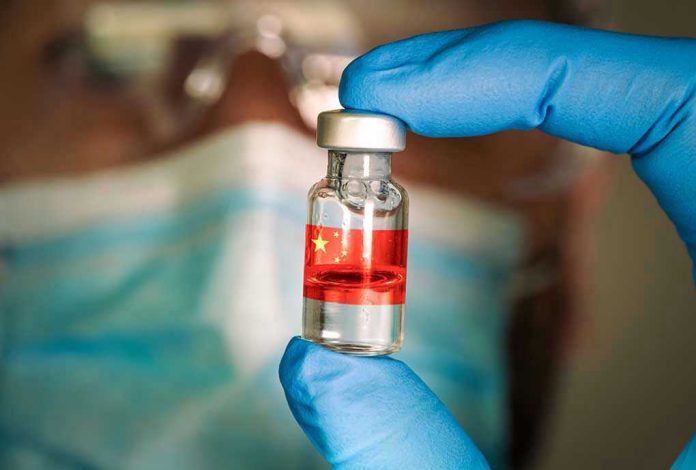
Robert F. Kennedy Jr., as Secretary of Health and Human Services, has banned mercury-based preservatives from all U.S. vaccines, marking a significant victory in his long-standing campaign against thimerosal.
Story Snapshot
- RFK Jr. bans mercury-based preservatives in vaccines.
- Thimerosal specifically targeted, previously used in some flu vaccines.
- Ban affects children’s and pregnant women’s vaccines.
- Move seen as a victory for anti-vaccine activists but has minimal practical impact.
Mercury Ban in Vaccines: A Long Battle Ends
Robert F. Kennedy Jr., known for his vocal criticism of vaccine preservatives, has achieved a monumental policy shift as the Secretary of Health and Human Services under President Trump. The recent ban on thimerosal, a mercury-containing compound, ends its use in vaccines administered to children and pregnant women, a move lauded by anti-vaccine advocates. Kennedy’s campaign against thimerosal, spanning over two decades, has been marked by persistent efforts to eliminate what he deems a harmful substance from vaccines.
RFK Jr. Bans Mercury in Vaccines After Two-Decade Battle: ‘No More Poisoning Pregnant Women and Children’https://t.co/6Hvfk8vCOZ
— P A Doran (@An1953Anne) August 3, 2025
The decision follows the Advisory Committee on Immunization Practices’ recommendation to remove thimerosal from flu vaccines. This committee, reconstituted under Kennedy’s leadership, played a critical role in implementing the ban. While Kennedy’s supporters view this as a triumph for public health, the broader medical community remains skeptical, given the lack of scientific evidence linking thimerosal to adverse health effects.
Background and Implications
Thimerosal’s journey in vaccines began in the 1930s, aimed at preventing contamination in multi-dose vials. Despite being phased out of most pediatric vaccines by 2001, its presence lingered in some flu shots. The CDC and FDA had recommended its removal as a precaution, yet scientific studies consistently found no credible link to autism or other disorders. The recent ban is perceived as largely symbolic, with minimal direct impact on vaccine safety or public health outcomes.
The policy change arrives amid declining vaccine uptake following the COVID-19 pandemic, reflecting growing skepticism toward vaccine safety. While the ban might bolster anti-vaccine narratives, public health experts caution against interpreting this as evidence of past harm. Instead, they emphasize the overwhelming scientific consensus that thimerosal, at current levels, is safe.
Stakeholders and Responses
The ban impacts several key stakeholders, including vaccine manufacturers, who now face the logistical challenge of ensuring thimerosal-free production. Public health officials must address potential confusion and rising vaccine hesitancy. Critics argue that the move panders to anti-vaccine sentiment, undermining public trust in vaccines. Despite these concerns, the Trump administration and Kennedy have celebrated the policy as a public health victory.
Public health experts, however, warn of the potential long-term implications, including increased vaccine skepticism and lower uptake. The narrative of a “dark chapter” being closed lacks support from scientific evidence, stirring debate among health professionals and policymakers. The decision reflects a shift in power dynamics within federal health policy, with anti-thimerosal advocates gaining influence.
Expert Opinions and Analysis
Vaccine and public health experts maintain that thimerosal’s removal is unlikely to improve safety but may increase costs and logistical complexity. Experts caution that the ban could reinforce unfounded fears about vaccine safety, further depressing vaccination rates. The CDC, WHO, and American Academy of Pediatrics have consistently affirmed the safety of thimerosal-containing vaccines.
While supporters of the ban argue it as a precautionary measure, critics view it as a politically motivated move. The decision may inadvertently fuel vaccine hesitancy by suggesting prior harm where none has been scientifically established. As the ban takes effect, stakeholders across the healthcare sector must navigate the evolving landscape of vaccine safety and public perception.