
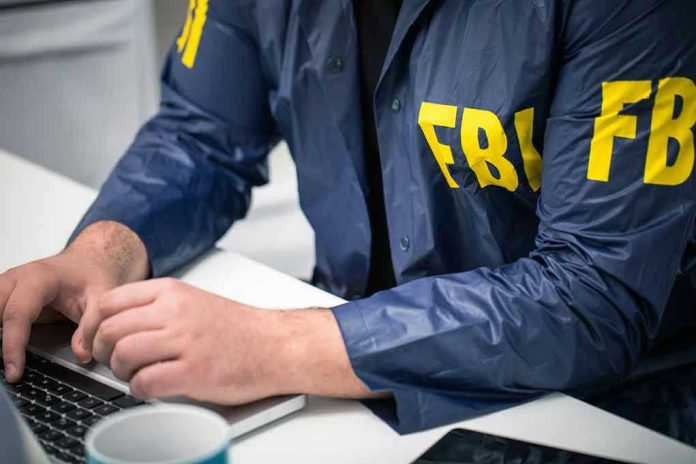
A foreign hacker breached an FBI server containing Jeffrey Epstein investigation files while America watched the Super Bowl, exposing a critical vulnerability in the very systems designed to protect our nation’s most sensitive criminal evidence.
Story Snapshot
- Foreign hacker accessed FBI’s New York field office server on February 12, 2023, compromising files from the Epstein investigation and the Child Exploitation and Human Trafficking Task Force
- FBI detected the breach within 24 hours and contained it, but the incident remained hidden until DOJ documents were released in 2026 under the Epstein Transparency Act
- Cybersecurity experts warn the compromised files represent a goldmine for foreign intelligence agencies seeking leverage on powerful individuals
- The FBI refuses to disclose which specific files were accessed or whether data was stolen, leaving critical questions unanswered three years later
A Super Bowl Sunday Surprise Nobody Expected
While millions of Americans watched the 2023 Super Bowl, someone was watching something else entirely. On February 12, 2023, a foreign hacker penetrated an FBI server at the New York field office that housed files related to the Jeffrey Epstein investigation. An FBI agent received an alert the next morning that his network had been compromised, discovering suspicious activity from two IP addresses. The agent immediately reported the intrusion to his supervisor, triggering a containment response that the bureau would keep quiet for three years.
The compromised server belonged to the FBI’s Child Exploitation and Human Trafficking Task Force, the very unit tasked with investigating the darkest crimes involving vulnerable victims. The timing raises uncomfortable questions about oversight and security protocols. How does a foreign actor breach the FBI’s systems protecting evidence in one of the most scrutinized criminal investigations in modern American history? The bureau’s silence on these questions speaks volumes about either incompetence or something more troubling.
The Files That Everyone Wants
Jon Lindsay, a cybersecurity researcher at Georgia Institute of Technology, captured the strategic reality perfectly when he noted that foreign intelligence agencies would be foolish not to target the Epstein files. The materials represent potential leverage against powerful figures across politics, business, and entertainment. Sources told Reuters the hacker appeared to be a cybercriminal rather than a state-sponsored actor, suggesting profit motivation. But that distinction provides little comfort when those files could easily be sold to the highest bidder, whether that’s a foreign government, blackmail operation, or media outlet.
The FBI’s response follows a predictable pattern. Contain the damage, issue vague reassurances, and refuse to provide details that might hold anyone accountable. The bureau called the incident isolated and claimed they rectified the network. Yet three years later, the investigation remains ongoing with no public answers about what was accessed, what was stolen, or who exactly did it. This stonewalling erodes public confidence at a time when Americans already question whether federal agencies protect the powerful rather than pursue justice.
Transparency Through the Back Door
Americans only learned about this breach because Congress passed the Epstein Transparency Act, forcing the Department of Justice to release documents in early 2026. Without that legislative mandate, this embarrassing security failure would likely remain buried in classified files forever. The three-year delay between the breach and public disclosure demonstrates how federal agencies default to secrecy, even when transparency serves the public interest. The FBI’s March 2026 statement confirmed what the documents revealed but added nothing substantive about accountability or lessons learned.
The broader implications extend beyond one compromised server. Federal law enforcement databases contain evidence from thousands of sensitive investigations involving national security, organized crime, and public corruption. If a foreign hacker can breach the Epstein files, what else has been compromised? The FBI’s refusal to detail the specific vulnerabilities exploited or the comprehensive security upgrades implemented leaves other agencies and the public guessing about whether similar breaches continue undetected. That uncertainty undermines confidence in the entire federal law enforcement infrastructure at precisely the moment when cybersecurity threats are escalating.
Sources:
Hacker accessed FBI server that included Epstein files in 2023
Hacker compromised Jeffrey Epstein files on FBI server