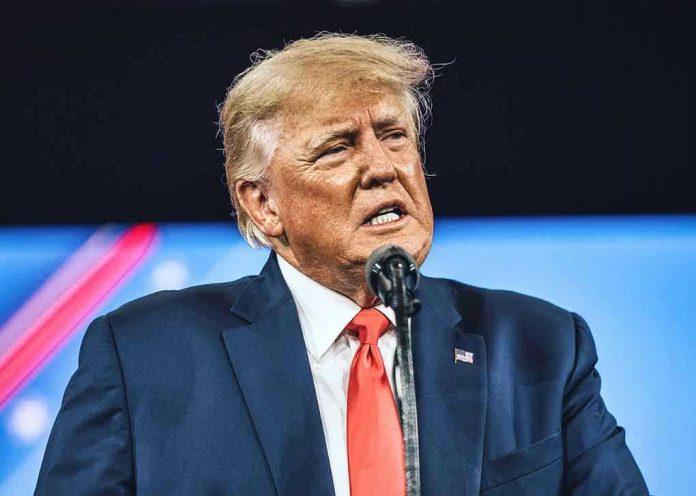
Israel’s unprecedented strike inside Qatar killed a Qatari security official, fractured US-led ceasefire talks, and triggered a rare public rebuke from President Trump—upending alliances and fueling regional instability.
Story Snapshot
- Israel’s airstrike in Doha marks the first known military action on Qatari soil, killing a Qatari official and five Hamas affiliates.
- The attack disrupted sensitive US-mediated ceasefire and hostage negotiations, threatening diplomatic progress.
- Qatar and regional organizations condemned the strike as a violation of sovereignty, while the US issued an unusual public criticism of Israel.
- Regional tensions have escalated, with Arab states holding an emergency summit and the future of Gulf diplomacy in question.
Israeli Strike on Qatari Soil Shatters Diplomatic Norms
On September 9, 2025, Israel launched a targeted airstrike on a residential compound in Doha, Qatar, aiming for Hamas’s political leadership. The operation resulted in the deaths of five lower-level Hamas members and a Qatari security official, but failed to eliminate the top Hamas negotiators. This marked the **first known Israeli military action inside the territory of a key US ally**, immediately disrupting ongoing US-brokered ceasefire and hostage negotiations. The attack’s location—a non-military, residential area—intensified concerns about non-combatant safety and the sanctity of diplomatic spaces.
The aftermath saw swift and forceful condemnation from Qatar, the Gulf Cooperation Council, and other regional organizations, all labeling the strike a violation of sovereignty. The United Nations echoed these concerns, warning that such actions threaten to ignite broader instability across the Middle East. Qatar, a central mediator hosting Hamas’s political bureau, briefly suspended its role in negotiations, further jeopardizing peace efforts. Arab states convened an emergency summit to coordinate a response, signaling the gravity of the crisis and the urgent need for diplomatic recalibration.
Trump Administration’s Rare Public Rebuke of Israel
President Donald Trump’s administration issued a rare and pointed public criticism of Israel’s decision, underscoring the **strain on Washington’s traditionally close alliance with Jerusalem**. US officials emphasized that the strike ran counter to core American objectives in the region, namely the stabilization of ceasefire talks and protection of diplomatic processes. This rebuke stands out not only for its directness but also for its timing, as it occurred amid a delicate negotiation effort that the US had championed. The Trump White House denied prior knowledge of the operation, though speculation persists about the extent of US forewarning.
Israel’s leadership, including Prime Minister Benjamin Netanyahu and Defense Minister Israel Katz, defended the action as a necessary response to Hamas’s recent attack in Jerusalem. However, the failure to kill top Hamas negotiators and the collateral damage to Qatari personnel have drawn criticism, even among Israel’s supporters. Israeli officials have vowed to continue pursuing Hamas leaders abroad, raising fears of further extraterritorial operations and undermining international norms regarding state sovereignty.
Regional Fallout and Threats to US-Led Diplomacy
The strike’s impact on mediation efforts has been profound. Ceasefire and hostage negotiations, previously facilitated by Qatar with US support, are now stalled and at risk of collapse. Qatar’s temporary suspension of its mediator role diminished its leverage, complicating any future efforts to broker peace. The diplomatic fallout has also endangered US standing among Gulf allies, many of whom are now questioning Washington’s ability to balance security interests with regional stability.
Beyond immediate diplomatic setbacks, the event has set a dangerous precedent for extraterritorial military actions in the Gulf. Analysts warn that Israel’s willingness to strike in Qatar could embolden similar operations elsewhere, further eroding trust and stability. The economic and political repercussions are already evident, with increased security measures for foreign missions and growing backlash against US and Israeli policies in the Arab world. The risk of escalation remains high as regional actors reassess alliances and mediation strategies.
Israel’s strike in Qatar triggers rare US rebuke, tests Trump’s Gulf diplomacy https://t.co/dEowP7BhZD
— Fox News Politics (@foxnewspolitics) September 11, 2025
Expert commentary underscores the complexity of the crisis. Daniel Benaim of the Middle East Institute points to the “opaqueness” of US foreknowledge and the significant diplomatic risks involved. UN officials and regional analysts agree that the strike represents a perilous turning point, threatening both peace negotiations and the broader framework of international diplomacy in the region. While some US commentators speculate about tacit approval, the consensus among credible sources is clear: the strike has severely tested the limits of US influence and Gulf cooperation.
Sources:
Israel airstrike in Qatar condemned by UN as ceasefire talks stall
Understanding Israel’s attack on Qatar and what it means for the region
Israel’s strike in Qatar triggers rare US rebuke, tests Trump’s Gulf diplomacy
Live Updates: Israel strike in Qatar, Arab summit response