With the new administration’s sweeping immigration crackdown, Afghan refugees who once believed they’d found safety in America now face the real threat of deportation back to Taliban-controlled Afghanistan—a move many veterans and conservatives say undermines both our values and national security.
Story Snapshot
- Trump’s second term brings aggressive immigration enforcement, cutting humanitarian protections for Afghan refugees.
- US military veterans are stepping in to help Afghan allies fight deportation and navigate shifting legal realities.
- Policy changes have left thousands of Afghan refugees in legal limbo, fearing return to a Taliban regime notorious for human rights abuses.
- Mass deportation targets and new laws threaten families, veterans’ allies, and America’s long-standing commitments.
Trump Administration’s Immigration Overhaul Targets Refugee Protections
President Trump’s return to office in 2025 has led to a dramatic escalation in immigration enforcement, fulfilling campaign promises to prioritize border security and crack down on illegal immigration. Within days of inauguration, executive orders declared a national emergency at the southern border, suspended most refugee admissions, and ended “catch and release” for illegal entrants. The administration’s new measures also revoked parole and Temporary Protected Status for thousands of Afghans who fled the Taliban and resettled in the United States during the chaotic 2021 withdrawal. This shift effectively dismantled the remaining humanitarian lifelines for those who aided US forces, leaving many Afghan refugees without legal protection and at imminent risk of removal.
Conservative voters, frustrated with years of lax enforcement and “woke” policies that undermined the rule of law, have watched as the administration established annual deportation targets exceeding a million people—more than triple prior records. Expanded expedited removal, daily arrest quotas, and broad use of local law enforcement have created a new climate of fear for those without secure status. Afghan refugees, including interpreters and allies who risked their lives for American troops, now find themselves swept up in this aggressive campaign. Many are losing access to work authorization, support programs, and basic protections that previously shielded them from deportation or family separation.
Veterans and Advocates Step Up for Afghan Allies
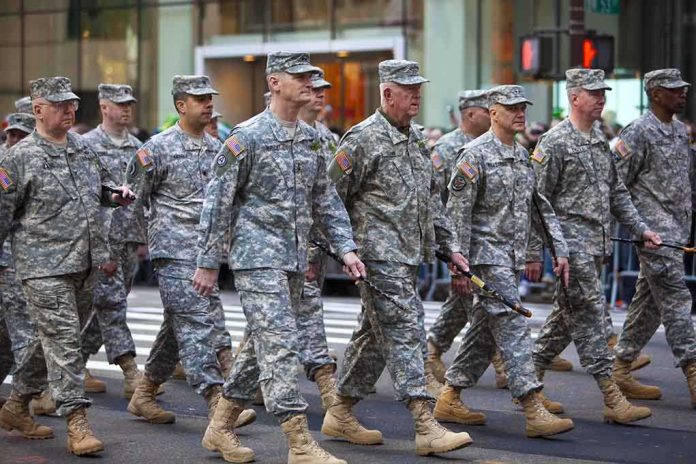
As the federal government ramps up removals, US military veterans have become a critical line of defense for their Afghan comrades. Many veterans who served alongside Afghan interpreters and allies are mobilizing legal aid, appearing in court, and lobbying Congress to honor promises made during wartime. They argue that abandoning these allies to the Taliban is not only a betrayal of American values but also jeopardizes future military missions by signaling to foreign partners that US commitments are not reliable. These efforts have drawn bipartisan concern, but the administration’s policies remain steadfast, citing national security and the need for uniform enforcement regardless of circumstance.
Afghan refugees in the US report mounting anxiety, with recent policy changes stripping many of legal status or eligibility for humanitarian relief. In states like California, once known for broad support of refugees, legal protections and financial assistance have been sharply reduced. Families who fled persecution and violence now face the cruel prospect of being forced back into a country where women, minorities, and anyone associated with the former Afghan government or US forces are subject to reprisals, deprivation, or even death. Expert warnings from UN agencies and human rights organizations have gone unheeded, as the administration pursues a hardline approach with little room for exceptions.
Human Rights at Risk as US Policy Shifts
International observers, including the United Nations and the International Criminal Court, have condemned the surge in forced returns and the rollback of refugee protections, warning that Afghanistan remains unsafe for returnees. The administration’s new laws, such as the “One Big Beautiful Bill Act,” further expand detention capacity, allow indefinite family detention, and cut access to social services—even for lawfully present immigrants. These measures, conservatives argue, reinforce the principle of national sovereignty and the rule of law, but they also raise questions about America’s moral leadership and its willingness to defend those who stood with US forces in times of war. The situation for Afghan refugees is now a test not just of policy, but of national character in the face of global instability.
While the administration’s actions reflect a broader push to restore order and reject globalist entanglements, the fate of Afghan allies highlights the tension between security imperatives and enduring American values. As veterans, legal advocates, and faith groups rally to prevent deportations, the nation faces a critical moment: uphold promises to those who risked everything for freedom, or allow bureaucracy and political expediency to undermine decades of trust and sacrifice. The outcome will shape not only the lives of thousands of refugees, but also America’s reputation as a beacon of liberty and justice in a dangerous world.
Sources:
UN experts appalled by mass forced returns of Afghan nationals
4 years after Taliban took Kabul, millions of Afghans forced back to a country in crisis
Trump’s immigration crackdown leaves Afghan refugees in California fearing return to Taliban rule