As gunfire echoes through Caracas, a coup unfolds under the shadow of U.S. intervention.
Story Overview
- U.S. captures Venezuelan President Nicolás Maduro amid escalating tensions.
- Heavy gunfire reported near the Miraflores Palace, raising fears of a coup.
- U.S. intervention sparks unprecedented political turmoil in Venezuela.
- International observers question the legality and implications of U.S. actions.
U.S. Military Intervention Sparks Crisis
On January 3, 2026, the United States launched a military strike against Venezuela, marking a pivotal moment in the ongoing tension between the two nations. The operation, ordered by President Donald Trump, resulted in the capture of Venezuelan President Nicolás Maduro and his wife, Cilia Flores. This direct action against a sitting South American leader is unprecedented and has plunged Venezuela into a state of uncertainty and potential power struggles.
As Maduro remains in U.S. custody, Venezuela’s political landscape faces a vacuum with Vice President Delcy Rodríguez attempting to stabilize the government. The intervention has not only heightened domestic instability but also raised questions about international law and the precedent it sets for future U.S. foreign policy.
Clashes Erupt in Caracas
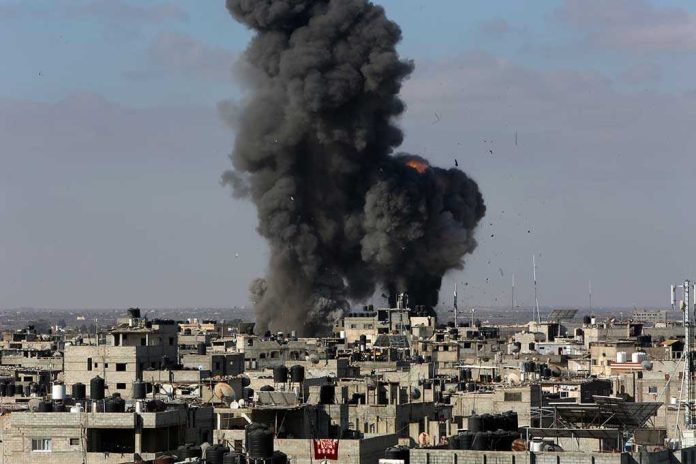
Amidst this political upheaval, Caracas has become a battleground. On January 6, reports of heavy gunfire and anti-aircraft artillery near the Miraflores Presidential Palace surfaced, suggesting a potential coup attempt. The situation remains fluid with security forces clashing with unidentified armed groups, signaling a breakdown in internal security and raising fears of factional conflicts within the military.
The motives behind these clashes are unclear, but they are undoubtedly linked to the chaos triggered by the U.S. intervention. As armed groups move through the city, the possibility of a full-scale coup against the remaining government looms, further threatening Venezuela’s fragile stability.
International Implications and Concerns
The U.S. military intervention has sparked international debate over its legality and potential repercussions. Critics argue that the operation violates international norms, particularly Article 2 of the United Nations Charter, which prohibits unilateral military actions. The Trump administration, however, justifies the intervention as a necessary measure against narco-terrorism, with U.S. Attorney General Pamela Bondi announcing charges against Maduro for “Narco-Terrorism Conspiracy.”
Regional governments and international observers are now closely monitoring the situation, wary of its impact on regional stability. The intervention sets a complex precedent, blurring the lines between legitimate intervention and aggressive foreign policy, with potential long-term implications for international relations.
The Path Forward for Venezuela
As Venezuela grapples with the aftermath of the U.S. intervention and internal strife, the country’s future remains uncertain. The removal of Maduro has created a political vacuum that could lead to further power struggles and destabilization. The economic and humanitarian crisis, already severe under Maduro’s regime, faces additional strain as security concerns rise.
The international community’s role will be crucial in shaping Venezuela’s path forward. Observers and analysts must assess the intervention’s impact and explore pathways to restore stability and governance in the country. The unfolding events in Venezuela serve as a stark reminder of the complexities and consequences of foreign intervention in sovereign nations.
Sources: