The most dangerous detail in the Waikiki beating wasn’t the blood on the pavement—it was the uniform that wasn’t real.
Quick Take
- A 52-year-old man wearing an ICE-style tactical vest got beaten in Waikiki at about 8:12 p.m., and the video spread fast.
- DHS said the man was not an ICE agent and warned that impersonating law enforcement endangers the public and invites prosecution.
- A 15-year-old male was arrested and charged with attempted assault; police signaled the investigation remains active.
- The “No Kings” protest happened earlier and several miles away, leaving the location-and-timing link messier than viral narratives imply.
Waikiki’s Viral Clip and the Problem of Instant Certainty
Waikiki doesn’t look like the kind of place where a political street beating becomes national content by breakfast, but that’s exactly what happened. A man wearing what appeared to be an ICE tactical vest confronted a small group at night, liquid flew, and then three people swarmed him. The footage shows punches, kicks, and a chokehold, ending with the man going limp before stumbling away.
That clip launched a familiar American argument at warp speed: was this “anti-ICE violence,” protest-fueled mob assault, or something uglier—street justice for a perceived government enforcer? Facts arrived after emotions. Authorities said the victim was a 52-year-old impersonator, not affiliated with DHS, and the assault didn’t occur at the downtown protest site. A juvenile suspect, age 15, was arrested and charged.
Impersonation: A Shortcut to Chaos That Hurts Everyone
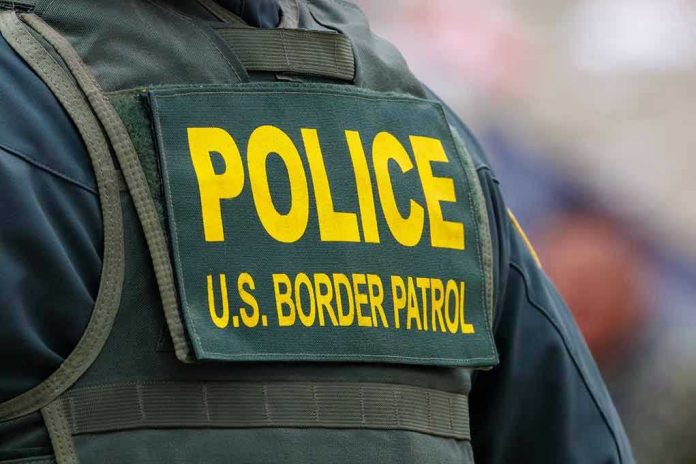
DHS didn’t treat the costume as a harmless stunt. The agency’s message was blunt: the man was not an ICE agent, and impersonating federal law enforcement creates public-safety risk. That stance matters because uniforms function like currency; they buy instant compliance. When an impersonator spends that currency in public—especially in a politically charged moment—he devalues it for every real officer who needs it in a crisis.
Conservatives tend to see this clearly because ordered liberty depends on recognizable authority and consequences for fakes. A community can debate ICE policy all day, but it cannot tolerate random people dressing as agents and inserting themselves into tense crowds. That’s not “speech.” That’s performance with the power to provoke panic, resistance, or misguided obedience. DHS signaling prosecution isn’t a distraction from the beating; it’s an attempt to prevent the next one.
The Beating Still Matters, Even If the Vest Was a Lie
Some commentary tried to reduce the incident to a morality play: the “wrong” guy wore the vest, so concern should shrink. Common sense says the opposite. Street beatdowns don’t become acceptable because the target made a stupid, possibly illegal choice. The video shows a person overwhelmed by multiple attackers. Civil society can’t function when people outsource judgment to fists, especially in tourist-heavy public spaces where bystanders don’t know what’s real.
Honolulu police arrested a 15-year-old and filed an attempted assault charge, with reporting indicating an earlier, more serious charge was reduced. Juvenile cases often limit public details, but that reality creates its own friction: the public sees violence in high definition and then receives a low-resolution accounting of consequences. That gap breeds cynicism on the right and fuels a broader belief that disorder gets explained away when politics makes it convenient.
“No Kings” and the Temptation to Treat Everything as a Single Plot
The story got tied to a “No Kings” protest opposing the Trump administration, but the cleanest available timeline complicates that link. The protest occurred earlier in the day and several miles away from Waikiki. The beating happened at night. That doesn’t prove the attackers were unrelated to the protest; it means the claim requires evidence beyond vibes and timing. Responsible judgment demands precision, especially when labels like “leftist thugs” can inflame more people than they inform.
Still, the national climate is undeniably hot. DHS has cited dramatic increases in assaults, vehicular attacks, and threats against ICE personnel in broader reporting. Even without accepting every political frame around those statistics, the baseline risk is believable: immigration enforcement sits at the intersection of crime, identity, economics, and sovereignty. When that mix spills into the street, impersonation acts like gasoline because it mimics the very symbol that triggers rage or fear.
What This Incident Signals About Public Order in 2026 America
Waikiki’s lesson isn’t “protests are violent” or “ICE is unsafe” or “the media lies.” The lesson is that legitimacy has become fragile. A vest, a patch, and a confrontational posture can manufacture an “agent” in the public mind long enough for a crowd to react. Conservatives should treat that as a warning flare: when citizens can’t tell the difference between state authority and cosplay authority, the space for peaceful dissent and lawful enforcement shrinks.
The practical takeaway lands in three buckets. Police must discourage impersonation with real penalties, because it’s predictive of future confrontations. Prosecutors must treat group assaults as serious, because the community sees what happened even when court paperwork stays sealed. Ordinary citizens should resist the social-media urge to finish the story before facts arrive. Waikiki offered a grim preview of what happens when symbols outrun truth—and when punishment becomes a public spectacle.