New Jersey’s latest gun-record subpoena fight is less about paperwork than about who gets to see the names behind lawful purchases.
Quick Take
- The New Jersey Attorney General tied the subpoenas to an existing public nuisance lawsuit against Glock, Inc. [1]
- The demand reportedly reaches ten years of customer records from firearms dealers across the state. [1][2]
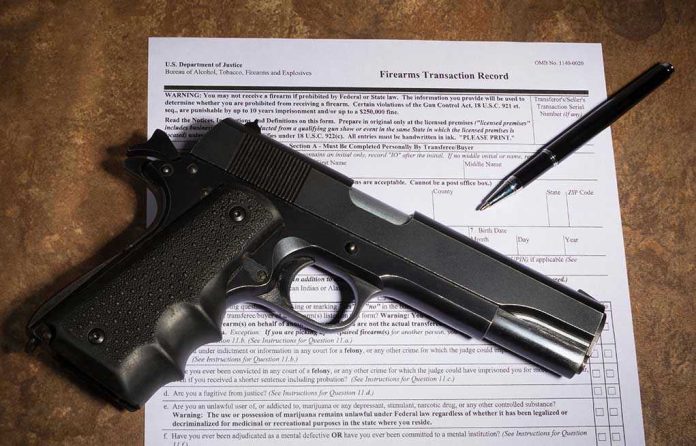
- New Jersey already requires handgun retailers to keep detailed sales registers and send copies to law enforcement and the New Jersey State Police. [3]
- Supporters see enforcement and tracing; critics see duplication, privacy risk, and public exposure of lawful buyers. [1][2][3]
Why the Subpoenas Hit a Nerve
New Jersey Attorney General Matthew J. Platkin’s office has drawn a bright line between enforcement and overreach, but the public reaction centers on a darker question: if the state already has the records, why pull them again from dealers? Reporting says firearms retailers across the state received subpoenas seeking customer records tied to Glock sales over the last ten years, all in connection with the state’s lawsuit against Glock, Inc. [1][2]
That is why the dispute landed so hard. Gun-rights outlets describe the requests as an attempt to expose personally identifiable information and turn lawful purchases into public record. The state’s critics are not arguing in a vacuum; they are pointing to a real recordkeeping system that already sends handgun-sale information to law enforcement. When government keeps duplicative records, the public assumes the next step is not safety but pressure. [1][2][3]
The Legal Backdrop New Jersey Already Built
New Jersey law already requires handgun retailers to maintain a register with buyer identity details, the handgun’s identifying information, and other transaction data, then deliver copies within five days to local law enforcement and the New Jersey State Police. Separate regulations also require permanent acquisition and disposition records for retail firearms dealers. That framework matters because it gives the attorney general a ready-made argument that the state is not inventing a new registry; it is demanding what the system already produces. [3]
That argument, however, does not end the controversy. A law can authorize recordkeeping and still leave room for fights over scope, burden, confidentiality, and necessity. The public materials here do not show a court order approving the subpoenas, nor do they show the full subpoena packet. Without that, supporters can claim legal footing, but opponents can still credibly argue that a ten-year sweep of statewide customer records is far broader than the case needs. [1][2][3]
How the Glock Lawsuit Shapes the Records Demand
The subpoenas did not appear out of nowhere. The attorney general’s office filed suit against Glock, Inc. under New Jersey’s public nuisance law, and the subpoenas were issued in connection with that litigation. The reported theory is that dealer-level records could help identify how Glock pistols moved through the state and whether patterns in sales and transfers matter to the civil case. That is a familiar legal move: build the paper trail, then test the distribution chain. [1][2]
New Jersey’s recent enforcement history gives that theory more weight. The state has already pursued gun dealers for allegedly selling gun-related products without verifying lawful possession, then imposed recordkeeping obligations through settlement. That history tells you something important about the attorney general’s approach: the office is not merely making speeches; it is building compliance cases and demanding documentation. For supporters, that looks like ordinary enforcement. For critics, it looks like a relentless paper chase aimed at lawful commerce. [4][5]
Why Privacy and Proportionality Dominate the Argument
The strongest objection is not ideological; it is practical. If the state already receives dealer transaction records, then requiring every firearms dealer to hand over the same kind of information again looks duplicative at best and invasive at worst. Critics also note that the public materials do not show why all Glock sales from 2016 forward are necessary to a nuisance lawsuit against a manufacturer. That gap fuels the suspicion that the real target is exposure, not evidence. [1][2][3]
Common sense says government should not demand more private data than it needs, especially when it already holds much of the same information. Conservative readers tend to recognize that principle immediately: agencies too often call broad collection “oversight” and call skepticism “obstruction.” If the attorney general wants this to withstand scrutiny, the office should explain precisely why dealer copies are needed, what protections exist, and why the state’s own database is not enough. Until then, the privacy concern remains the hardest objection to dismiss. [1][3][5]
Sources:
[1] Web – New Jersey: Attorney General Sends Subpoenas to Statewide FFLs …
[2] Web – NJ AG Subpoenas FFLs – Records Would Dox Gun Owners and …
[3] Web – Maintaining Records Of Gun Sales Laws in New Jersey – Giffords.org
[4] Web – New Jersey AG Sues Gun Stores For Selling Bulk AR-15 Ammo …
[5] Web – AG Platkin Announces Consent Order Resolving Suit Against Gun …