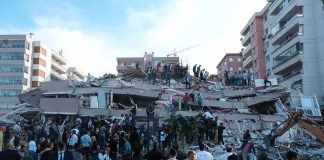
Nine straight nights of U.S. strikes followed an Iranian missile and drone attack in Jordan that killed two American service members, signaling a dangerous cycle that Washington calls self-defense but many fear could widen the war.
Story Snapshot
- U.S. Central Command confirmed two Americans were killed and one is missing after the July 17 attack in Jordan.
- The Pentagon says the ongoing strikes target Iranian military assets and affiliated groups as self-defense.
- Iranian leaders and state-linked outlets claimed responsibility for parts of the Jordan attack, while other officials have denied direct orders in past incidents.
- Since 2023, repeated U.S. “self-defense” actions have followed fatal or injurious attacks on U.S. troops in the region.
What triggered the ninth night of U.S. strikes
U.S. Central Command said two U.S. service members were killed and one is missing after Iranian ballistic missiles and drones struck U.S. and partner forces in Jordan on July 17. The command said the incident happened during active defense against incoming fire. The announcement came a day later and cited ongoing casualty tracking. U.S. media reported the attack hit a known base that hosts American personnel. That deadly strike set off a new round of U.S. operations against Iran and aligned targets.
Reuters, via Al-Monitor, reported the U.S. military blamed Iran for the Jordan attack and said Iran would face costs after seven straight nights of U.S. strikes. The outlet said Iran’s supreme leader warned Washington against further escalation. The back-and-forth messages showed both sides signaling resolve while trading blows over several days. The ninth night continued that pattern, with Washington framing action as self-defense and deterrence against further attacks.
How Washington frames the campaign and what it targets
U.S. officials describe the ongoing strikes as lawful self-defense designed to stop more attacks on Americans. Prior operations under this label have hit bases, depots, and command nodes tied to Iran’s Islamic Revolutionary Guard Corps and allied militias in Iraq and Syria. The current campaign echoes that approach. Past briefings and news reports say the United States aims to blunt missile and drone threats, degrade logistics, and raise the cost for planners who enable attacks on U.S. troops.
This pattern is not new. Since late 2023, Iranian-backed groups have launched dozens of rockets and drones at U.S. sites in Iraq and Syria, injuring American personnel. In earlier episodes, the White House notified Congress under the War Powers Resolution after “self-defense” strikes. Analysts note the government often cites the right to defend forces in the region. That legal stance, and the narrow target set, are meant to deter without sliding into a wider war that many Americans oppose.
Iran’s signals, denials, and the fog of proxy warfare
Statements carried by regional and international outlets have varied. Some Iran-linked media and officials have claimed responsibility for parts of the Jordan strikes. Other Iranian ministries have denied direct orders in prior deadly incidents tied to proxy groups. This mixed messaging reflects the use of allied militias that give Tehran options and deniability. It also creates doubt about command chains, which complicates U.S. efforts to deter the next attack without sparking a broad conflict.
🚨 10‑DAY PAUSE PROPOSED IN US‑IRAN STRIKES.
Mediators have floated a plan for a 10‑day halt in US‑Iran strikes as both sides look for a way to revive their interim deal. The proposal comes amid heavy fighting, including nine straight nights of US strikes and Iranian retaliation… pic.twitter.com/IQYX7PiiKE
— The Content Factory (@tcf_updates) July 20, 2026
For Americans watching from home, the stakes are clear and painful. Two service members died, one is missing, and others have been wounded in recent fights. Families want protection for those in uniform and a plan that avoids endless, low-grade war. Voters across the spectrum also worry that Washington’s leaders answer more to entrenched interests than to the public’s demand for safety, clarity, and restraint. The ninth night of strikes keeps pressure on Iran, but it also extends risk for U.S. troops.
Why this matters for U.S. policy and public trust
Policy choices now will test both deterrence and democratic oversight. Clear goals, legal grounding, and measured force can protect Americans and avoid a spiral. Vague aims and open-ended campaigns can do the opposite. Officials say the mission is to stop more attacks and safeguard U.S. forces. That is a narrow promise that many support. The government will need to show results, limit civilian harm, and explain timelines to maintain trust while honoring the lives already lost.
Sources:
independent.co.uk, usatoday.com, nbcnews.com, thestar.com.my, middleeasteye.net