Police say a man stabbed two New Yorkers after shouting “Allahu Akbar,” and the city is now split over whether heated rhetoric helped light the fuse.
Story Snapshot
- Police arrested a suspect after two stabbings on Manhattan’s Upper West Side; one attack carries hate-crime charges.
- Witnesses told police the attacker yelled “Allahu Akbar” during both assaults, heightening fear in Jewish and Asian communities.
- Community and political leaders clashed over whether public rhetoric on Israel and religion helped fuel the violence.
- Officials urged calm as detectives continue to sort motive, bias indicators, and mental health factors.
What Police Say Happened in the Upper West Side Attacks
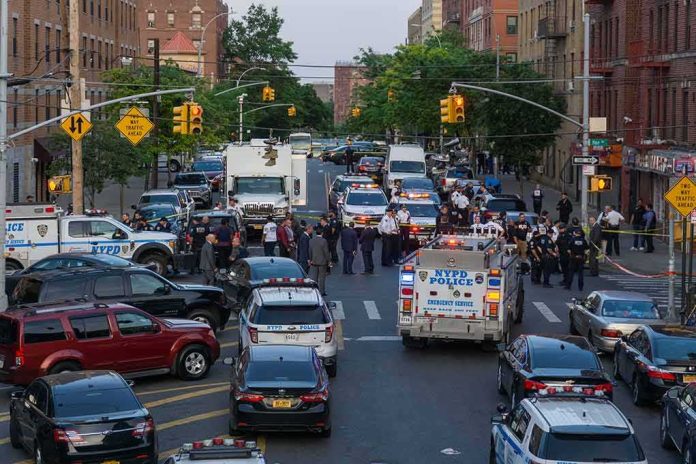
New York City police arrested a 51-year-old suspect after two separate stabbings on the Upper West Side on Thursday. Investigators said the victims were a 57-year-old Asian man and a 50-year-old Jewish man. Witness and victim accounts reported the attacker shouted “Allahu Akbar” during both assaults. Detectives opened a possible hate-crime probe based on those facts and other indicators. Both victims survived and received hospital care, according to initial reports.
Prosecutors filed attempted murder and related counts. Police said hate-crime charges were attached in the case of the Jewish victim but not the other, pending evidence of motive and target selection. That split reflects how hate-crime law works in practice. Investigators must match bias indicators to each act, not the day’s events in general. Officials said the inquiry continues and could change as they gather more proof.
Why Leaders Are Arguing About Rhetoric and Responsibility
The attacks triggered a fast political fight over blame. Some Jewish leaders accused New York City’s mayor of using language about Israel that divides communities and risks more violence. They urged him to cool his tone and denounce hate in clear terms. Others warned that the rush to tie city hall to a single suspect’s acts jumps ahead of the evidence and adds fuel to public anger while police still investigate.
That split follows a now-familiar pattern in big-city hate-crime cases. Public debate races ahead, while detectives work to prove motive under the law. In New York, frequent antisemitic incidents and tension around Israel often shape the first wave of reactions. Later, courts and prosecutors focus on specifics like target choice, statements during the attack, and the suspect’s mental state. That is the track now underway in this case, police say.
How Communities Are Responding and What Comes Next
Community groups from Jewish, Muslim, and Asian communities stood together to denounce the violence and call for calm. They urged residents to report threats and seek help if they feel targeted. Many asked officials for more patrols near houses of worship and transit stations. They also pressed for faster, clearer updates from the police and prosecutors to reduce rumors and fear on social media and in the streets.
✡️ Jewish Leaders to NYC Mayor: Tone Down Anti-Israel Rhetoric After Stabbing
Jewish leaders and elected officials are urging New York City Mayor Zohran Mamdani to moderate his rhetoric on Israel following the stabbing of a Jewish man on Manhattan’s Upper West Side.
— Leah_לאה (@Weisslbj333Leah) July 24, 2026
City residents across the political spectrum voiced the same worry: the system reacts after trauma rather than preventing it. They pointed to rising fear on subways, uneven mental health responses, and courts that move too slowly. They want leaders to protect free speech while acting fast against threats, no matter the cause. Police say they will add patrols where needed and will share confirmed facts as the investigation continues.
Sources:
youtube.com, cbsnews.com, rt.com, apnews.com, foxnews.com, ktla.com