New York City’s plan to sell taxpayer-subsidized groceries 30% below retail has now triggered a lawsuit from immigrant business owners who say it could wipe out the very bodegas that keep many neighborhoods alive.
Story Snapshot
- Mayor Zohran Mamdani plans five city-owned grocery stores, selling key foods about 30% cheaper than private shops.
- An immigrant-led business coalition and bodega owners have moved from warnings to legal action, claiming unfair competition.
- These owners say thin profit margins mean government-backed discounts could push small neighborhood stores into extinction.
- The fight reflects a deeper anger on left and right that government “solutions” often help politicians more than working people.
City Grocery Plan Promises Big Discounts With Public Money
Mayor Zohran Mamdani has made taxpayer-funded grocery stores a signature policy, pitching them as a way to cut food costs for working families. The city plans to open five municipal supermarkets, one in each borough, at an estimated cost of about $60 million to $70 million. Mamdani has said these stores will offer a core set of goods — including fresh produce, meat, seafood, milk, cheese, and bread — at roughly 30% below typical retail prices once a month. He argues that using city-owned land and skipping rent and property taxes will let the stores pass savings directly to shoppers.
Supporters of the plan point to rising grocery prices, rent, and inflation as proof that the private market is failing many New Yorkers. They say families in low-income neighborhoods too often pay the highest prices for basic food. By absorbing costs that private stores must pay, city officials claim they can offer cheaper staples without cutting quality. To many voters tired of high bills and slow wages, subsidized food feels like a rare win in a city where the cost of living keeps climbing.
Immigrant Business Owners Say Bodegas Cannot Survive a 30% Undercut
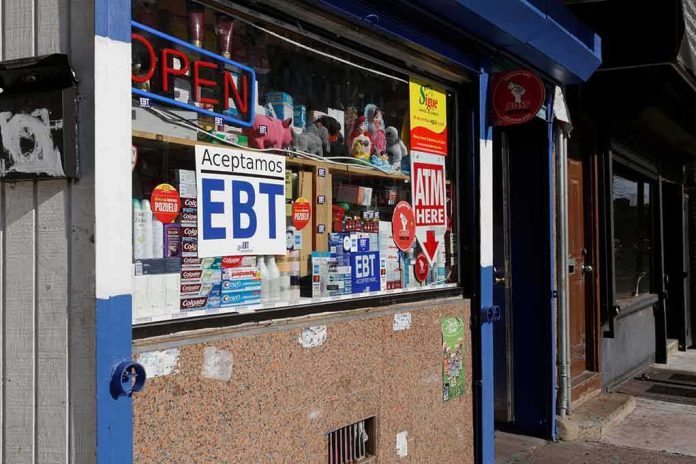
On the other side are the people who run the bodegas and small groceries that most New Yorkers use every day. An immigrant-led nonprofit group called the Multicultural Business Coalition, which represents Asian, African, Caribbean, Hispanic, Middle Eastern, and Jewish-owned businesses, has now voted to sue the city over the plan. Chairman Frank Garcia says the group is building a $1 million legal war chest and calls the lawsuit a nonpartisan effort to protect local shops. Many of these owners already operate on tight margins and fear they will lose customers overnight if a city store opens nearby.
Industry reports say typical grocery stores earn net profits of only about 2% to 3%, which makes a government-backed 30% discount feel like a death sentence, not normal competition. Bodega leaders warn that if the city sells eggs, milk, meat, and bread far cheaper, customers will naturally shift their weekly shopping. One bodega association president told reporters, “With items priced 30% lower than what we offer, it means no one will choose our stores.” These owners are not giant chains; they are often families who came to the United States chasing the American Dream, now watching city hall turn into a direct rival.
Claims of Unfair Play and Data Demands Add to Deep-State Distrust
The conflict is not just about prices. Grocers and bodega operators say city officials have already entered their stores and asked for sensitive business details while preparing the government supermarkets. Reports describe staff seeking information on best-selling items and profit margins just as the first taxpayer-funded store is being sited in a low-income neighborhood. Critics fear the city is using insider data from private merchants to design a competing store that can target their most profitable goods. For many small owners, this feels less like “helping consumers” and more like the government using its power to pick winners and losers.
This adds fuel to a wider frustration that crosses party lines. Conservatives see another big-government scheme that spends public money, interferes with markets, and risks killing off small businesses that should be the backbone of local economies. Liberals who care about workers and neighborhood culture also worry that once the city controls the food supply in these areas, political insiders and well-connected contractors could benefit most. Both sides already doubt that the “elites” in charge truly understand life on the margins. A plan that could close bodegas run by immigrants while claiming to help the poor fits too neatly into those fears.
Legal Fight Highlights Bigger Question: Who Really Benefits From City Power?
The Multicultural Business Coalition, United Bodegas of America, and supermarket groups now say the only way to stop unfair competition is through the courts. They argue that city-run supermarkets, built on public land and shielded from rent and property taxes, create an uneven playing field for stores that must pay full freight. While full legal filings and case numbers have not yet been made public, the coalition has announced its intent to sue and is raising money for that battle. Their goal is to block or reshape the plan before government-backed stores lock in long-term advantages.
A Lawsuit Was Filed by NYC Bodega Owners Over Democrat-Marxist Mayor Zohran Mamdani's Collectivist Grocery Store Plan https://t.co/lnIXQiGXR9
— C3H Editor (@C3Heditor) July 29, 2026
At the same time, Mamdani’s record shows a broader pattern of using city power to reshape the food economy. His administration recently announced a $5 million settlement with major delivery apps over alleged wage violations and has sued another company, Motoclick, accusing it of cheating immigrant workers. Supporters say this proves he is serious about protecting low-wage workers and fighting corporate abuse. Critics see a mayor quick to use law and regulation, but slow to listen to the small shop owners who also feel squeezed. In both stories, many Americans will see the same question: is government fixing a broken system, or building a new one where political insiders decide which workers and businesses matter?
Sources:
twitchy.com, nypost.com, facebook.com, youtube.com, abc7ny.com, ibtimes.co.uk, reason.com