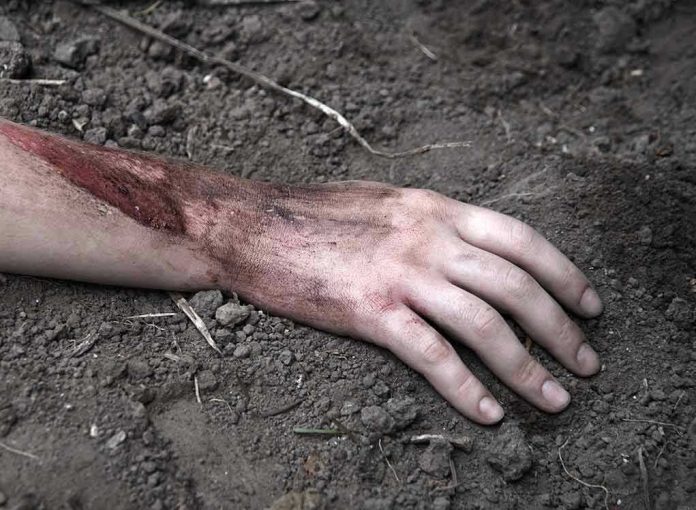
A cartel “extermination” ranch in Mexico is still yielding new human remains—after authorities previously raided the property and reported nothing like what families later uncovered.
Story Snapshot
- Mexican search volunteers say Rancho Izaguirre in Jalisco contains cremation ovens, burned bone fragments, and hundreds of personal items linked to the missing.
- After the March 2025 discovery, reporting described additional remains found in a new pit, including a septic-tank-style “fosa,” expanding the suspected killing area.
- Mexican authorities acknowledged earlier searches were limited even though the National Guard raided the site in 2024.
- Human-rights investigators have pressed Mexico to conduct a thorough, impartial investigation and to protect evidence and families involved.
Rancho Izaguirre’s “extermination site” allegations keep growing
Volunteer searchers with Guerreros Buscadores de Jalisco entered Rancho Izaguirre in Teuchitlán, west of Guadalajara, after receiving tips and reported finding signs of systematic killing and body disposal. Coverage described underground cremation ovens, burned bone fragments, shell casings, and hundreds of personal effects—shoes, clothing, and even toys—left behind. The scale, and the sheer number of items, intensified pressure on officials to explain how such a site could operate undetected.
Later reporting tied to the same property described a “new” pit area, including a septic-tank-style fosa, with more fragments recovered for DNA work. The most important fact for families remains unresolved: authorities still have not provided a complete victim count, and identifications have been limited relative to the apparent volume of evidence. With burn fragments and commingled remains, forensic work can be slow, and officials have not publicly established how many people may have been killed.
A prior National Guard raid raised hard questions about competence
Authorities’ earlier involvement is central to the outrage. News reports said Mexico’s National Guard raided the ranch in September 2024, making arrests and rescuing hostages, yet officials did not report discovering cremation ovens, vast quantities of personal items, or large-scale remains at that time. After the 2025 findings became public, Mexico’s investigators acknowledged that only certain parts of the large property were searched previously. That admission has fueled public distrust in state institutions.
Families, not bureaucracies, are driving the search for the missing
Jalisco sits at the center of Mexico’s disappearances crisis, and families of the missing have increasingly formed collectives that do what the state often cannot—or will not—do quickly: search terrain, catalog evidence, and pressure officials to open files. Reports have repeatedly placed the national number of missing at around 120,000. For Americans watching from across the border, the lesson is straightforward: when government loses control to organized crime, ordinary families end up doing the dangerous work of accountability.
Human-rights groups demand preservation of evidence and credible prosecutions
Human Rights Watch urged Mexican authorities to investigate the site thoroughly and impartially, pressing officials to secure the area, protect evidence, and treat family members with dignity and transparency. That call matters because the site’s credibility, and any future prosecutions, will depend on a clean chain of custody and trustworthy forensic practices. Without that, the ranch risks becoming another grim headline that never produces full answers—exactly the kind of institutional failure that empowers cartels long-term.
Why U.S. readers are paying attention in 2026
Rancho Izaguirre also underscores a reality U.S. voters have debated for years: cartel power and state weakness in Mexico can translate into chaos that does not stay on Mexico’s side of the border. The reporting does not prove direct links to U.S. policy, but it reinforces why border security, interior enforcement, and anti-trafficking operations remain central to public safety. If Mexico cannot consistently secure crime scenes and dismantle cartel infrastructure, Americans face continued pressure from trafficking networks and cross-border criminal logistics.
For now, the most concrete developments remain the ongoing excavation and DNA testing, plus official acknowledgments that earlier searches were incomplete. Until Mexican authorities publish verified totals, identifications, and a clear timeline of who controlled the property and when, many of the most serious accusations will remain difficult to confirm beyond what has already been physically documented—ovens, fragments, and personal belongings that families say look painfully familiar.
Sources:
Human remains found in Jalisco, Mexico near Guadalajara
Extermination site in Mexico linked to Jalisco New Generation Cartel
Mexico: Investigate Apparent Mass Killing Site
Mexico’s “extermination camp”: Izaguirre ranch, Teuchitlán, and the mothers of the disappeared