One Secret Service agent’s suspension has turned a routine protective job into a public test of trust and control.
Quick Take
- A Secret Service agent on Vice President JD Vance’s detail was placed on administrative leave during an internal review.
- Reports say the probe centers on alleged leaks about Vance’s travel plans and security arrangements.
- The Secret Service said the matter could involve a possible criminal inquiry, but it has not publicly proved wrongdoing.
- The case highlights a familiar problem: agencies can act fast while the public still lacks the full record.
What the Secret Service Says
The Secret Service confirmed that a member of Vice President JD Vance’s security team is under internal review and on administrative leave. The agency said the case involves allegations of harming “operational and information security” and may lead to a criminal inquiry.
That is the key point for readers: the agency has taken formal action, but it has not publicly laid out the full evidence. Reports say the Secret Service also suspended the agent’s clearance and cut off access to agency systems.
What the Reporting Describes
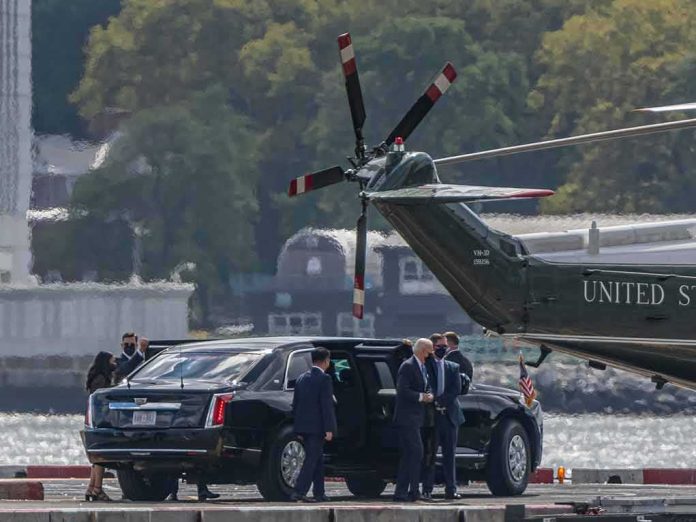
The reporting ties the probe to claims that the agent discussed Vance’s travel plans, security arrangements, and other sensitive details with someone he believed was on a date. One account says the leaked material involved a planned helicopter trip with Vance’s son to a golf lesson.
Other reports say the episode came from undercover video and screenshots that appear to show the agent sharing travel details and locations. Those reports identify the agent as Tomas Escotto, but the Secret Service itself has not publicly confirmed the person’s identity in the material available here.
What Is Still Missing
The biggest gap is simple: the public record provided here does not include a disciplinary memo, sworn statement, forensic review, or charging document. Without that, the case remains an allegation under review, not a proven leak in public view.
🇺🇸 The Secret Service confirmed an agent assigned to VP Vance’s detail has been placed on leave and faces a criminal investigation. Compromising operational security to feed a media narrative
isn’t just a leak. It’s putting safety at risk. It’s a crimeProsecute to the… https://t.co/yoSvqfHKUn pic.twitter.com/gVmaoRDtiY
— April Color (@ColorApril) July 23, 2026
That gap matters because the words “administrative leave” and “investigation” do not always mean the same thing as guilt. Agencies often move first to protect operations, especially when travel plans and security details may have been exposed.
Why This Story Hits a Nerve
The story fits a wider pattern that frustrates people across the political spectrum. Critics of the government see a system that hides facts until pressure builds. Supporters of strong security see a protective agency trying to stop internal leaks before they become real harm.
It also lands inside a larger fight over how the government handles trust, discipline, and secrecy. The public is told that sensitive information may have been shared, yet the evidence stays partly behind closed doors. That leaves readers to judge the case through media summaries, not the agency’s full file.
Sources:
cbsnews.com, kfdm.com, facebook.com, katv.com, independent.co.uk, youtube.com, yahoo.com