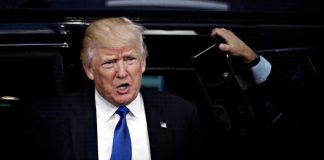
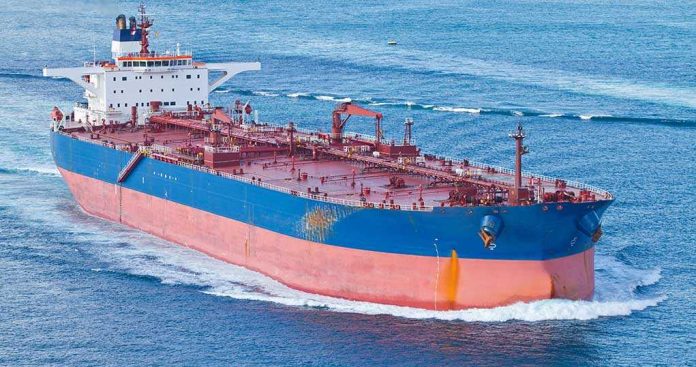
Trump said a peace deal with Iran was “largely negotiated” and that an announcement was coming soon—exactly the kind of claim that can move oil, markets, and geopolitics before the ink even exists to dry.
Story Snapshot
- Trump publicly framed an Iran agreement as near-complete, with details coming “shortly.” [4]
- Broadcasts reported active negotiations, with Pakistan described as mediator and Iran reviewing a U.S. proposal. [1][5]
- Counter-coverage stressed talks remained unresolved, especially on uranium enrichment and sanctions relief. [3]
- No primary-source proof yet shows a signed deal or formal order reopening the Strait of Hormuz. [3]
What Was Promised And Who Said What
Trump told television audiences that a deal with Iran was “largely negotiated” and would be announced soon, after calls with Middle Eastern leaders. That framing signaled a near-finish line and set expectations for de-escalation and a pathway to reopen the Strait of Hormuz. Fox-affiliated clips and write-ups amplified that framing, treating it as evidence of momentum toward a formal accord. The public takeaway was clear: get ready for peace headlines and maritime normalization. [4]
Other broadcasts reinforced the idea that real bargaining was underway. A segment recounted Trump canceling strikes amid “serious negotiations,” describing a live track rather than mere rhetoric. Companion coverage said Iranian authorities were reviewing a fresh U.S. proposal, suggesting substance on the table, not just atmospherics. Additional reporting described Pakistan as a central go-between, with mediators “close” to agreement terms acceptable to both sides, adding procedural credibility to the story arc. [2][5][1]
The Strait Of Hormuz Claim Lacks Operational Proof
Maritime reality gets verified with shipping notices, naval advisories, and vessel traffic data, not applause lines. The record presented so far contains no primary-source navigational orders, no International Maritime Organization bulletins, and no official maritime security updates confirming a formal reopening of the Strait of Hormuz. Without those documents, “open” remains an aspiration rather than an operational status. This gap is decisive for traders, insurers, and commanders who live by paperwork, not press clips. [3]
The same caution applies to sanctions and enforcement. A genuine peace implementation typically triggers notices from the Treasury Department’s Office of Foreign Assets Control, changes in bank compliance memos, and revised insurer risk schedules. The provided coverage highlights negotiations and presidential signaling, but it does not include sanctions actions, licenses, or Federal Register entries that would normally accompany de-escalation steps. That absence argues for patience until paper trails match podium talk. [3]
Unresolved Core Terms Keep The Finish Line Moving
Coverage rooted in mainstream summaries still describes the process as negotiations rather than a finalized accord. Reports catalog disagreements over uranium enrichment limits and the fate of enriched stockpiles—precisely the sort of issues that usually kill a deal at minute ninety. Some outlets depict proposals to separate maritime reopening from nuclear talks, a sequencing that collides with the administration’s stated demands for nuclear concessions alongside de-escalation. That mismatch undercuts any claim of closure. [3]
Statements from figures outside the White House reinforced that uncertainty. Commentary cited by networks featured calls for a contingency plan if Iran refused to reopen the strait and arguments that only coercion could ensure maritime access. Those positions, whether you agree or not, act as a political speed bump against premature declarations of victory. From a conservative, common-sense lens, results matter more than rhetoric; without verifiable concessions and enforcement, the risk of backsliding stays high. [3]
How To Separate Signal From Noise In The Coming Days
Verification will arrive on three tracks, and each has a paper trail. Diplomacy will show up as a signed instrument, a joint statement, or at minimum aligned readouts from Washington and Tehran confirming identical terms. Maritime normalization will appear in navigational warnings lifted, insurance premia adjusted, and vessel traffic resuming through the Strait of Hormuz. Economic implementation will surface in sanctions licenses or removals. Until these markers appear, treat bold claims as negotiating leverage, not as settled law. [3]
Trump says Iran peace deal reopening Strait of Hormuz 'largely negotiated' @CNBC https://t.co/gwfDyXhbnl
— Truthseeker (@ShahidmasoudMoh) May 23, 2026
Citizens and markets should balance optimism with accountability. Trump’s assertion of a “largely negotiated” deal signals decisive intent and can pressure Tehran at the table, which is often how hard bargains close. Yet durable peace runs on verification. Demand the documents, the maritime notices, and the enforcement mechanisms that make agreements stick. Celebrate real progress when it publishes itself, not when a chyron begs you to exhale. Prudence now prevents whiplash later. [4][3]
Sources:
[1] YouTube – Trump says peace deal with Iran is near
[2] YouTube – Trump says attack on Iran still possible at “a moment’s …
[3] Web – 2025–2026 Iran–United States negotiations – Wikipedia
[4] Web – President Trump says deal with Iran is ‘largely negotiated’ – Fox News
[5] YouTube – What’s holding the U.S. and Iran apart on a peace deal?