A congressman vanished for months to treat depression, then returned to vote against paid leave—and the fallout tells us more about power than privacy.
Story Snapshot
- Rep. Tom Kean Jr. disclosed on the House floor he was hospitalized for depression after months away.
- He missed over 140 votes while collecting his salary, sparking backlash.
- His record shows long-term opposition to paid leave policies, now under sharper scrutiny.
- Media framing highlights hypocrisy, while details of any formal leave process remain unclear.
What Kean Revealed And What He Withheld
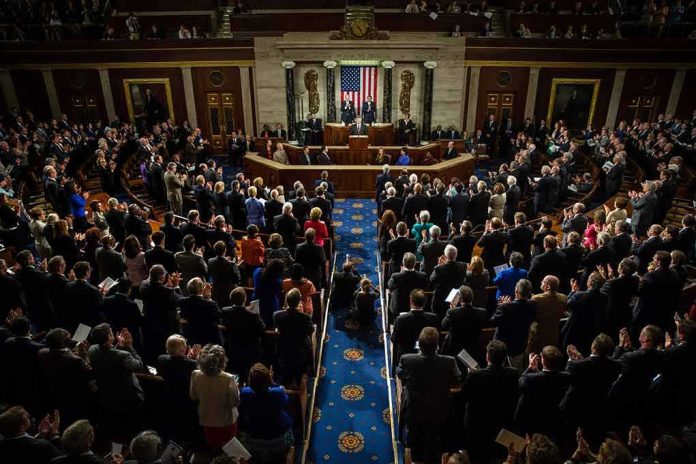
Rep. Tom Kean Jr. stood on the House floor and said depression took him out of work for months. He said doctors told him to stay hospitalized as the fastest way to get better. He also described the pain of depression as both physical and emotional. He had not said this earlier. He had only shared that he faced a “personal medical issue,” and that he is a private person by nature.
Those facts matter because they clear up the central mystery: he was not checked out; he was under care. They also set a line he chose not to cross. He offered no record of a formal leave request filed with House officials. He did not map his personal struggle to any policy change. That choice kept his medical privacy intact, but it left major questions about public duty and standards in the workplace.
The Missed Votes, The Paycheck, And The Policy Trail
House records show Kean missed more than 140 votes during his absence while he continued to draw his salary. That detail hit a nerve because many workers who get sick do not have paid time off. Reporters also noted that Kean has spent years voting against paid leave measures. Critics say the timing made the contrast sting even more.
The charge of hypocrisy draws energy from that contrast. Yet the evidence has limits. Reports do not pin a specific, recent vote against a named “paid sick leave” bill to his first day back. They document a long record against paid leave policies, not a single gotcha vote tied to the moment of disclosure. The broader pattern stands; the narrow claim needs a roll call and bill number to stick.
Privacy, Duty, And What Voters Can Fairly Expect
Public service is a job, not a confessional. The line between a right to medical privacy and a duty to show up is not always bright. Still, four months and over 140 missed votes will move that line for many people. The common-sense test used by most Americans is simple: if taxpayers fund the role, then timely, basic transparency about availability is part of the deal. Kean’s late explanation satisfied the “why,” but not the “how the office functioned” during the gap.
U.S. Rep. Tom Kean Jr. (R-NJ) has a history of opposing paid leave policies. While serving as a state senator in New Jersey, Kean actively opposed and voted against several pieces of paid sick and family leave legislation.
— photoguy15237 (@photoguy15237) July 1, 2026
American conservative values center on personal responsibility, limited but effective government, and equal rules across classes. On that score, two points deserve emphasis. First, a member should make sure the public knows when and how the office can serve them during an absence. Second, if Congress continues full pay during medical absences, then members who oppose paid leave for workers owe a clear policy case that explains the difference.
Media Framing And The Risk To Mental Health Discourse
Major outlets framed this episode around hypocrisy. That frame drives clicks and anger. It also risks flattening a serious mental health story into a simple dunk. Research shows hypocrisy scandals can sour views of both the person and their party. That matters to the horse race, but it does not solve the policy questions or help people seek care without shame.
One careful fix would raise standards without weaponizing illness. Congress could adopt a clear, privacy-respecting leave protocol: prompt notice of unavailability, an acting point of contact, and voluntary disclosure when ready. Voters would gain clarity. Members would keep dignity. Debate over paid leave could then happen on merits, not memes.
How To Judge The Record Now
Three facts are settled. Kean was hospitalized for depression. He missed a large block of votes while paid. He has a long record against paid leave. Those facts justify sharp scrutiny of his stance and his office’s communications. The missing pieces are also clear. No public record shows a formal leave filing. No transcript is cited for a specific “first day back” paid sick leave vote. Until those appear, the strongest claim is about pattern, not a single moment.
Here is the bottom line. Compassion for a person seeking treatment and accountability for a public job are both nonnegotiable. Voters can hold both truths. Kean’s speech began to close the trust gap. His next step should be a plain-language policy brief: why he opposes paid leave for workers after living the stakes. If the case rests on cost, fraud risk, or small business strain, say so—and put the same rules on Congress.
Sources:
instagram.com, bbc.com, motherjones.com, levernews.com