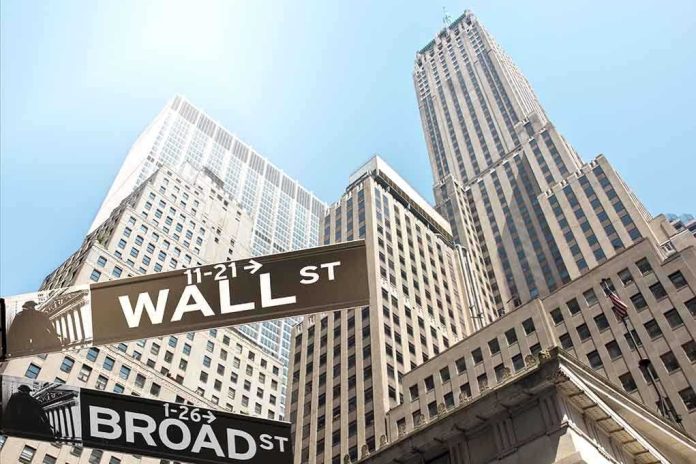
Dallas’s mayor just turned Wall Street flight into a dare—promising a “flood” of finance jobs if New York doubles down on rhetoric that “punishes success.” [1][2]
Story Snapshot
- Dallas Mayor Eric Johnson links Zohran Mamdani’s anti–Wall Street posture to potential corporate defections from New York. [1]
- Johnson says Dallas will welcome relocating firms and professionals who want lower taxes and fewer hostilities toward business. [3]
- The case rests on rhetoric and signaling, not firm-level relocation data tied specifically to Mamdani. [1]
- The contest echoes a larger Sun Belt versus legacy-coast realignment narrative that rewards growth-minded policy.
Johnson’s Pitch: If New York Scorns Finance, Dallas Will Not
Dallas Mayor Eric Johnson used a New York Post interview, republished by Securities Docket, to argue that State Assembly Member Zohran Mamdani’s anti–Wall Street agenda could accelerate departures of major financial firms from New York. He framed Dallas as ready to welcome a “flood” of firms should New York enact more punitive policies toward finance. Johnson cast the Dallas alternative as a practical refuge for capital formation and jobs, not a partisan stunt. The message: choose growth over grievance. [1]
Johnson sharpened the contrast by claiming New York City “believes in punishing success,” a line he has pushed repeatedly. The phrase signals a governing culture clash: tax, regulate, and stigmatize wealth in Manhattan, or recruit it in Texas. For executives weighing legal, compliance, and real-estate costs, tone from political leaders matters because it can foreshadow regulatory risk and public hostility. Johnson’s repetition underscores a sustained campaign, not a one-off jab. [2]
From Soundbite To Sales Pitch: “Y’all Street” As A Brand
On Varney & Co., Johnson went beyond critique and issued a plain-English invitation. He told New Yorkers who prefer higher taxes and more socialism to stay put, and told everyone else Dallas was eager to have them. This is retail politics aimed at capital allocators: reduce ambiguity, promise predictability, and offer cultural welcome. The “Y’all Street” moniker wraps a serious industrial-policy bid in folksy packaging, making the sell memorable to firms already exploring multi-city footprints. [3]
Branding alone does not move trading floors, but it reinforces existing due diligence. Firms already disperse risk across hubs; they can scale operations centers in lower-cost metros while keeping client teams in New York. A mayor who pledges stability and celebrates profit can nudge marginal choices—where to lease another floor, where to house compliance, where to recruit analysts—especially if boards read New York’s rhetoric as a prelude to steeper costs or reputational heat. Johnson is surfing that boardroom calculus. [1]
What The Evidence Shows—and What It Does Not
The record proves Johnson made the claim, made it loudly, and tied it directly to Mamdani’s platform. It does not supply firm names, signed leases, or relocations that cite Mamdani as a trigger. That gap matters. Correlation between Sun Belt growth and New York angst does not equal causation. Without corporate statements, labor transfers, or filings, the “flood” remains an argument, not an outcome. Conservative common sense says: measure results—employees moved, desks added, taxes paid—before declaring victory. [1]
New York defenders can argue that Mamdani critiques concentrated financial power to fund affordability and transit, not to chase away employers. They can note that relocations follow multi-factor math: taxes, crime perceptions, housing costs, commute times, and office availability. That explanation tracks how firms historically spread back-office functions to cheaper metros while keeping trading and deal-making in Manhattan. Still, elite finance understands signals. Political branding that demonizes profit risks compounding every other friction. [1]
The Stakes For Both Cities
Dallas gains if it converts today’s rhetoric into tomorrow’s payrolls. That requires more than slogans: fast approvals, reliable power, top-tier schools, transit investments, and housing supply that matches white-collar demand. New York retains its edge if it couples world-class networks with credible public safety, fiscal restraint, and a tone that treats job creators as partners rather than villains. Voters and executives alike respond to incentives. Cities that treat prosperity as a civic good usually end up with more of it. [2][3]
Sources:
[1] Web – Dallas mayor predicts ‘flood’ of Wall Street firms to quit NYC under …
[3] YouTube – Big city mayor offers ‘sanctuary’ to New Yorkers …