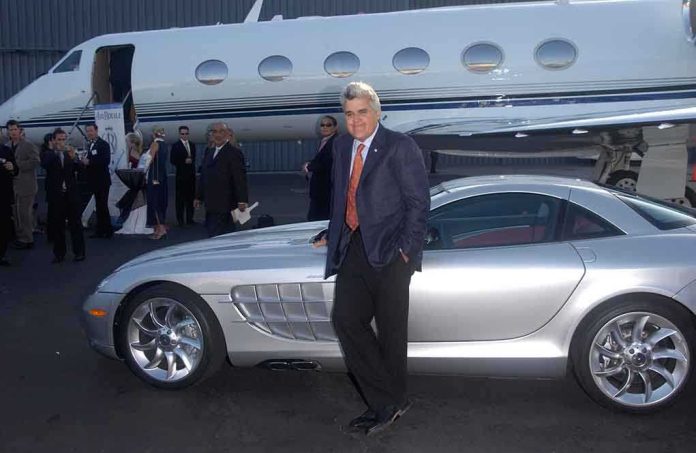
America’s wealthy elite are ditching understated “quiet luxury” for bold, flashy displays of wealth — and the shift reveals something fascinating about how status, confidence, and culture are evolving in 2026.
Story Snapshot
- Billionaires and top earners are abandoning muted, logo-free fashion in favor of loud, attention-grabbing luxury choices.
- The U.S. luxury market is projected to grow 8 percent in 2026, driven largely by wealthy American consumers spending more openly.
- Research shows most self-made millionaires still drive Toyotas and Fords, suggesting the flashy trend is concentrated at the very top of the wealth ladder.
- Luxury experts identify a split market: some wealthy consumers chase bold status signals while others double down on understated “stealth wealth” style.
From Whisper to Shout: The New Wealth Display
For several years, the fashion world celebrated “quiet luxury” — muted tones, invisible logos, and clothing that communicated wealth only to those already in the know. That era appears to be fading fast at the top of the income scale. According to Fortune, billionaires and wealthy consumers are now “going bold — from opting for loud fashion choices to making flashy public appearances,” marking a clear departure from the restrained aesthetic that defined elite style for much of the past decade. [1]
The timing of this shift is not accidental. With the Trump administration back in office and a renewed cultural confidence among America’s producer class, displaying success is no longer treated as something to apologize for. The social pressure to hide wealth — a hallmark of the progressive cultural moment — has eased considerably, and wealthy Americans appear to be responding by spending and dressing accordingly. The change reflects a broader cultural exhale among those who built something and no longer feel the need to conceal it.
U.S. Luxury Market Poised for a Big Year
The numbers back up the trend. HSBC estimates that growth in luxury sales to U.S. consumers will accelerate to 8 percent in 2026, up sharply from just 2 percent the prior year. [4] American consumers are reshaping global luxury fashion, with influence stretching from New York to Los Angeles runways. [5] Affluent buyers in 2026 are described as digitally savvy, experience-driven, and increasingly willing to spend on high-visibility goods. [8] French jewelry houses and European fashion brands are banking on this American appetite to fuel their own recovery.
Luxury market analysts identify four key shifts redefining value in 2026: authenticity, heritage craftsmanship, technology integration, and bold personal expression. [6] The old model — where a $20,000 jacket with no visible logo was the ultimate status symbol — is giving way to something more assertive. Consumers at the top of the market want their purchases to be seen and recognized. That is a meaningful cultural signal, not just a fashion footnote.
The Other Side: Most Millionaires Still Drive Toyotas
Not every wealthy American has embraced the flashy turn. Research consistently shows that the majority of self-made millionaires prefer ordinary, low-visibility consumption. Studies cited by financial commentators find that the most common vehicle brands among millionaires are Toyota, Honda, and Ford — not Lamborghini or Rolls-Royce. The same research indicates that 92 percent of self-made millionaires do not own luxury cars, and 55 percent buy used vehicles. Half have never paid more than $400 for a suit. [2]
This data points to a genuine divide within the wealthy population. The loud luxury trend appears concentrated among billionaires and the ultra-high-net-worth crowd — those for whom conspicuous spending carries no real financial risk. Below that stratosphere, the “stealth wealth” model remains dominant. Style guides targeting affluent men in 2026 still champion understated dressing as a mark of genuine confidence and taste. [10] The mega-rich, meanwhile, are also reportedly shifting some spending away from physical luxury assets like fine wine and art toward high-end travel and hotel experiences. [3]
What This Tells Us About America Right Now
The quiet luxury versus loud luxury debate is really a proxy for something deeper: how comfortable are successful Americans with being visibly successful? For years, leftist cultural pressure made wealth display feel socially dangerous — a target for resentment, redistribution arguments, and public shaming. That pressure has not disappeared, but it has weakened. The return of a business-friendly administration, combined with a renewed national pride in achievement and entrepreneurship, has given wealthy Americans more room to express what they have built. Whether that means a logo-covered jacket or a quiet Ford pickup, the choice itself now feels more free.
Sources:
[1] Web – Forget quiet luxury: America’s wealthy 1% are adopting a bolder …
[2] YouTube – Why Quiet Luxury Beats Flashy Riches Every Time
[3] YouTube – The mega-rich have a new obsession
[4] Web – Luxury bets on wealthy Americans for 2026 growth
[5] Web – Why the U.S. will dominate global luxury fashion in 2026
[6] Web – Luxury Trends 2026: The Four Shifts Redefining Value – IDHL
[8] Web – US Luxury Market 2026 Growth: Innovation & Exclusivity &#045 – …
[10] Web – Stealth Wealth Style Guide for Men: Master Quiet Luxury in 2026